Discover how to make spooky lava lamps at home, blending fun and science for an engaging Halloween activity.
DIY Lava Lamps: A Halloween Hit
Lava lamps have long been a quirky sight in homes, evoking nostalgia for many adults while captivating children's attention. This simple DIY project not only adds a festive touch to Halloween celebrations but also serves as an engaging science experiment that encourages creativity and learning. By merging fun with education, it enriches the standard Halloween activities and offers parents and kids an opportunity to bond over science.
Materials Needed for Your Lava Lamp
To create your own lava lamp, you don't need a complex list of supplies. The project is designed to be accessible and inexpensive, reinforcing the idea that science can be both fun and easy to explore at home. Here’s what you’ll need:
- A clear plastic bottle or jar
- A bottle of vegetable oil
- Water
- Alka Seltzer tablets
- Food coloring (choose an eerie hue)
Step-by-Step Guide to Crafting Your Lava Lamp
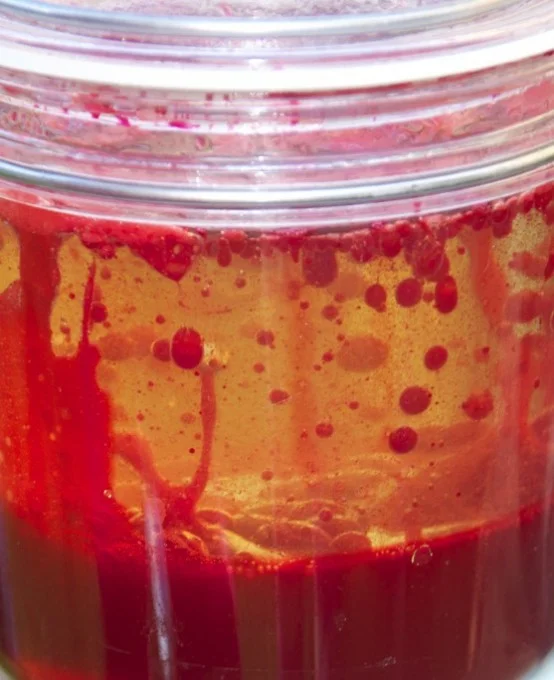
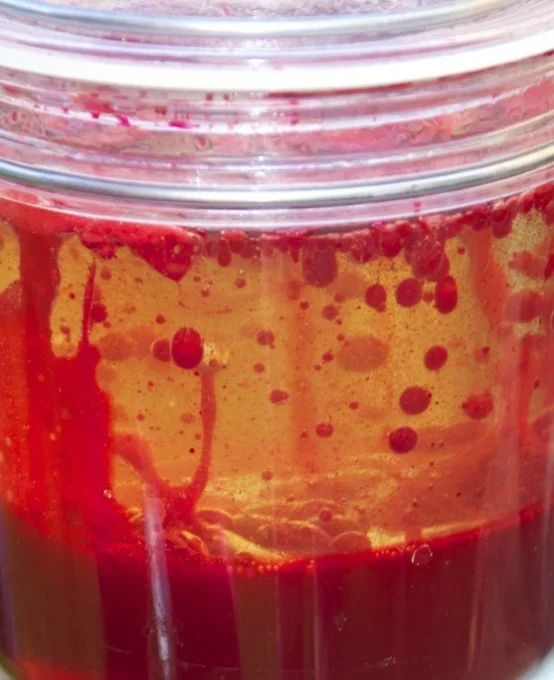
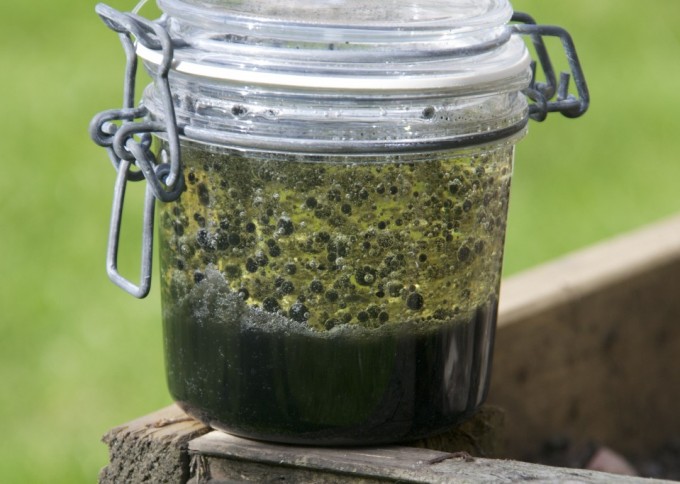
Creating the lava lamp is straightforward. Begin by filling your chosen bottle or jar one-quarter full with water. Next, add vegetable oil until the bottle is nearly full. You’ll notice an interesting phenomenon: the water will settle as a separate layer at the bottom, floating below the oil. This separation is due to the differing densities and molecular structures of water and oil.
Now comes the colorful part. Add about 6-8 drops of food coloring into the mixture. This choice can reflect the haunting themes of Halloween—choose deep reds, eerie greens, or even haunting blues to create a more atmospheric effect.
Add in half an Alka Seltzer tablet, and you'll witness a delightful visual transformation. The reaction creates carbon dioxide bubbles that rise, lifting the colored water with them. Right here is where kids’ curiosity peaks; they can see chemistry in action. And to maintain the bubbling effect, simply add more Alka Seltzer as needed.
Safety Note: Handle with Care
A word of caution: it's essential to avoid shaking the mixture. Shaking can lead to unwanted effects, creating a messy situation that’s less fun and more frustrating. This simple instruction carries more weight than it seems; safety and cleanliness should never be overlooked during science experiments.
Your Science Lesson: The Chemistry Behind Lava Lamps
Now, let's get to the fascinating science that underpins this fun activity. Water and oil don't mix due to their molecular structures. Water molecules, being polar, showcase positive and negative charges. In contrast, oil is non-polar, leading it to repel water. This distinction in chemical behavior explains why oil floats atop the water.
When the Alka Seltzer tablet is introduced, it reacts with the water to produce carbon dioxide gas. This creates bubbles, which play a crucial role in the operation of your lava lamp. As these bubbles rise, they carry some of the colored water along with them, creating that mesmerizing flow that keeps everyone, especially kids, transfixed.
Enhancing the Experience
If you're working in this space, consider capturing the magic on video or taking photos of the kids enjoying the activity. This can turn your DIY project into a keepsake of family fun. Plus, it’s a good idea to chat about the science involved with the little ones. Questions like, "Why does the oil float?" or "What happens if we change the amount of water?" foster inquisitive minds and deepens the learning experience.
Conclusion and Future Implications
This project exemplifies not only creativity but educational potential as well. Engaging kids in practical science through such hands-on activities might inspire a lifelong interest in STEM fields. As modern education increasingly emphasizes the importance of science literacy, initiatives like this could pave the way for more dynamic and engaging classroom experiences.
Now, Halloween is typically full of frights, but this DIY lava lamp provides a gentle twist on the spooky fun. Not only does it entertain, but it also educates—an approach that parents can easily replicate outside of Halloween season for various educational purposes. So, as you prepare for the festivities, remember that this simple project could very well ignite a passion for science in the next generation.

The post Spooky Lava Lamps – Halloween Science appeared first on Science Experiments for Kids.
Discussion
Sign in to join the discussion.