Explore fun and simple science experiments using lemons, from creating batteries to invisible ink, perfect for home or classroom activities.
Lemons aren’t just for flavor; they also serve as an engaging tool for hands-on science experiments. Their acidic properties open up a world of educational opportunities, particularly appealing for teachers and parents looking to foster interest in science through practical activities. Kids are naturally curious, and combining this curiosity with a versatile fruit like the lemon can lead to memorable learning experiences.
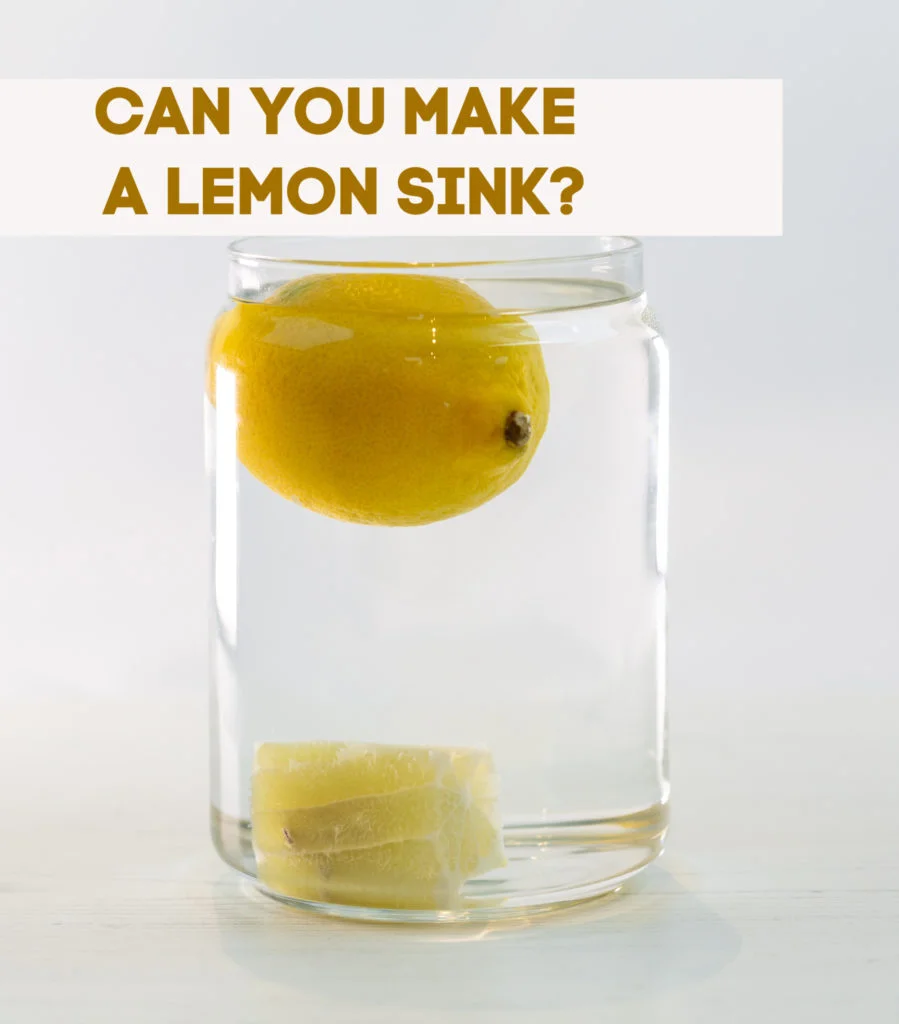
Lemon Sink Experiment
Curiously, lemons typically float due to their thick skin, but you can challenge this assumption by peeling one. When you remove the skin and drop it in water, you'll see it sink. This experiment vividly illustrates the concepts of density and buoyancy, key principles in physics that help explain why some objects float while others do not. Peeling off the skin alters the lemon's density, allowing students to connect real-world observations to scientific theories.
Creating a Lemon Battery
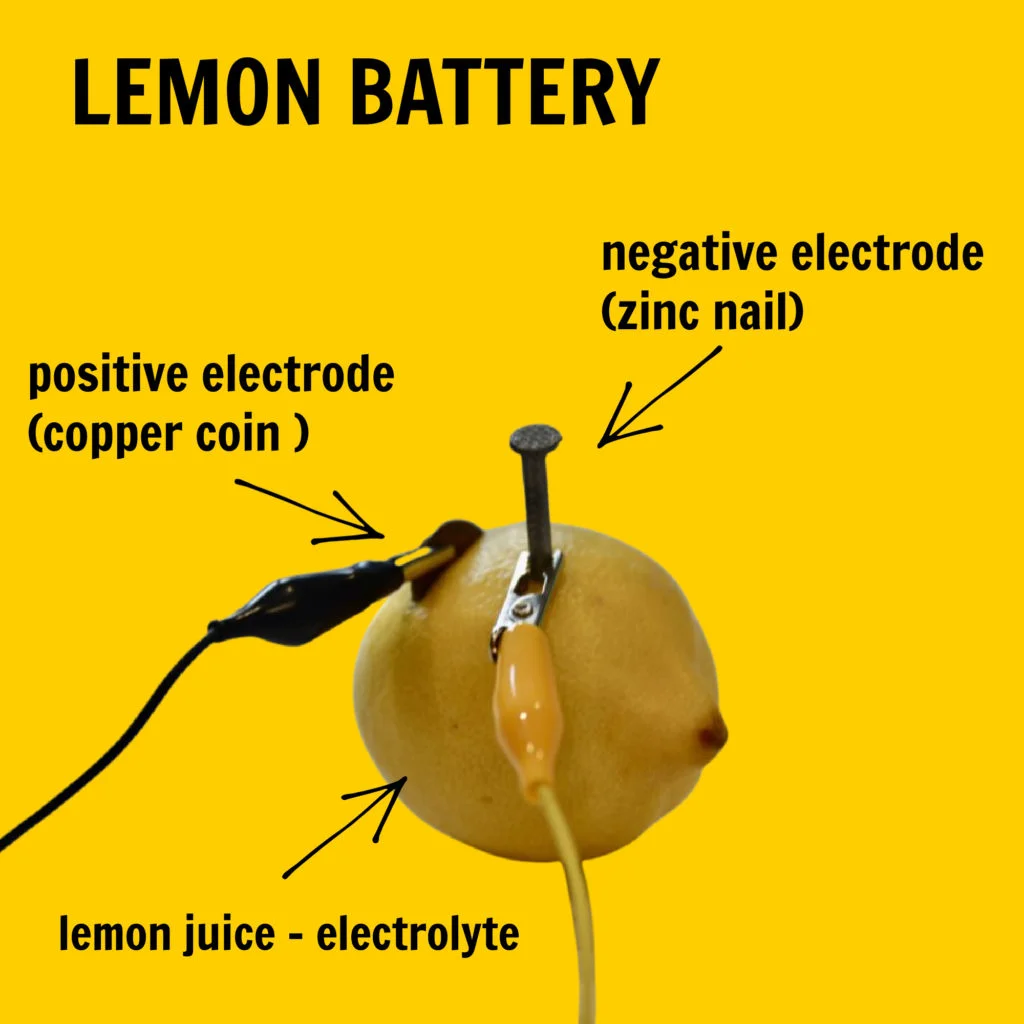
Lemon juice can serve as an electrolyte in creating a battery, an experiment that showcases basic principles of chemistry and electricity. You’ll need a zinc nail and a copper coin or wire. When these metal pieces are inserted into a lemon, they create a chemical reaction that generates a small amount of electricity. This highlights not just the chemical nature of the lemon but also the interactions between different materials. It's a simple, yet effective demonstration of principles that govern how batteries work and can power small devices, sparking curiosity about energy sources.
Inflate a Balloon with Lemon Juice
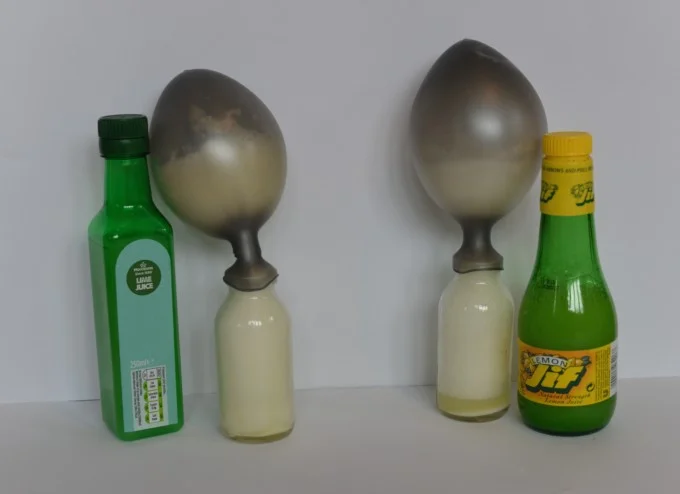
Mixing lemon juice with baking soda leads to a delightful carbon dioxide reaction that’s perfect for engaging kids. Pour lemon juice into an empty bottle, then put a mixture of baking soda in a balloon. When the two are combined, the reaction will inflate the balloon spectacularly! This fun experiment illustrates gas production and chemical reactions, captivating the interest of young minds. You may find they’re more excited about the balloon than the science behind it, but that’s often the nature of learning.
Fizzy Lemons
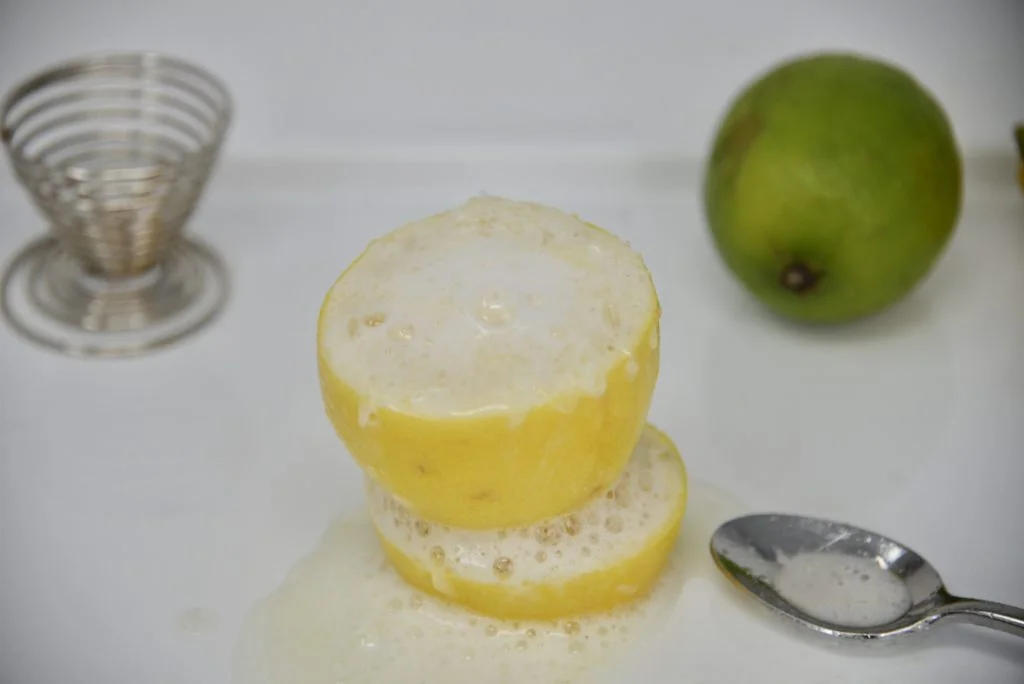
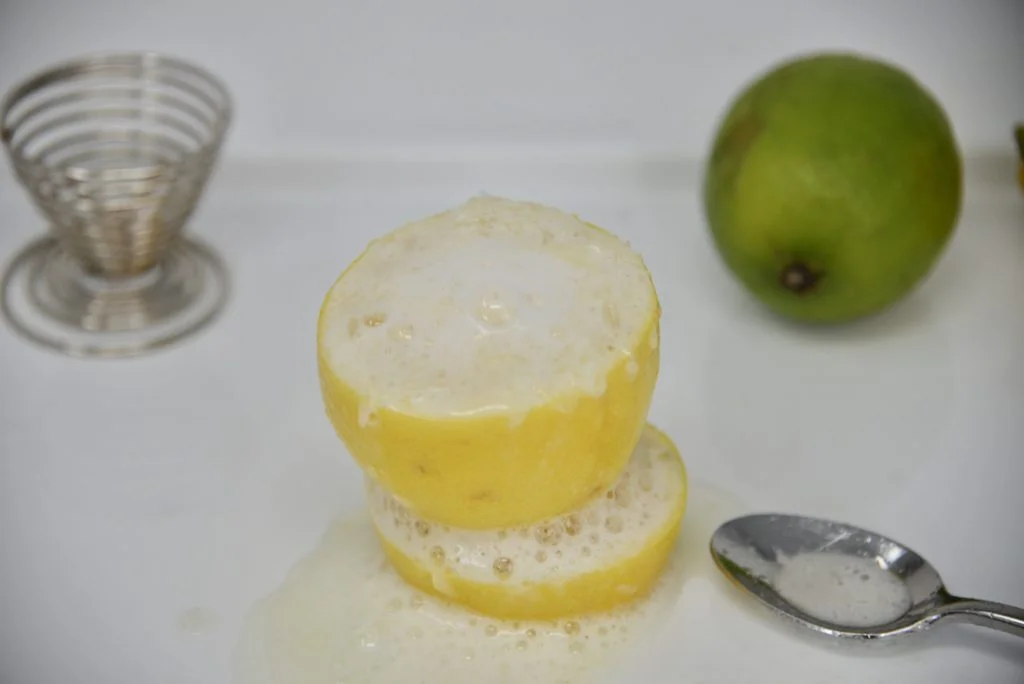
If you're looking for easy, fun activities, mixing baking soda into half a lemon creates a fantastic fizzing reaction. Not only is this entertaining, but it’s also an opportunity to discuss acid-base reactions. Adding food coloring can make the activity even more visually appealing, an aspect that often excites kids the most. The simple act of watching the fizz can spark questions about what’s happening at a molecular level, making it an effective entry point for deeper inquiries into chemistry.
Exploring Inertia with Lemons
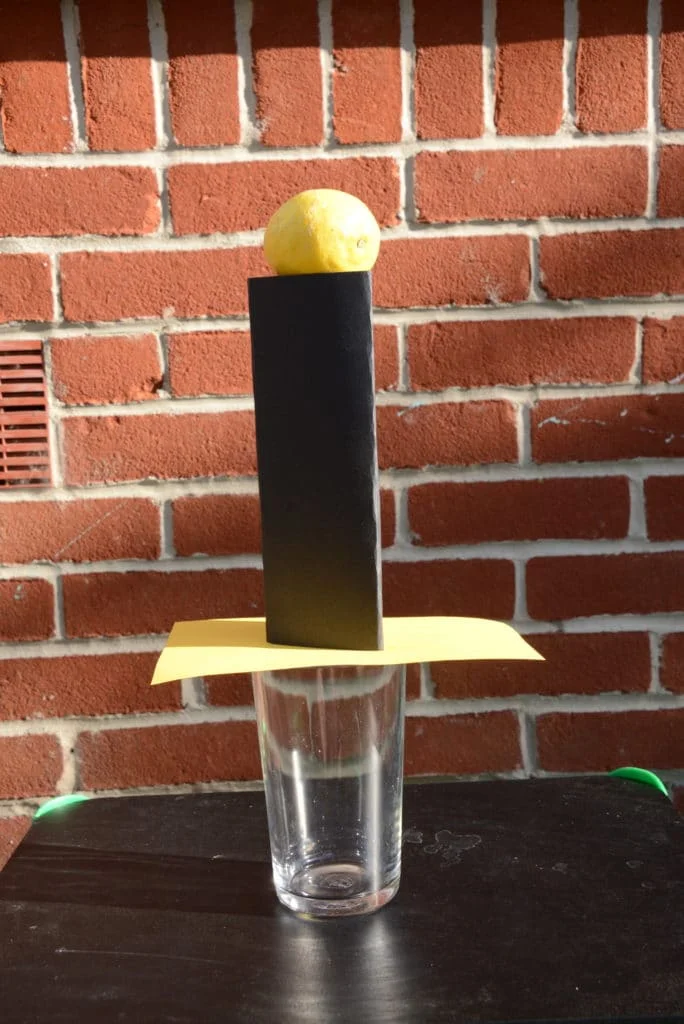
This simple demonstration provides a clear illustration of Newton’s First Law of Motion. Drop a lemon into a glass covered with cardboard, and you'll observe the effects of inertia in real-time. This experiment gets to the heart of physics—the idea that an object in motion stays in motion unless acted upon by an external force. The visual impact of this experiment is striking, empowering students to connect abstract concepts with tangible action.
Make Your Own Fizzy Lemonade
Combining lemons, water, and baking soda doesn't just produce a fizzy experience, it offers a delicious twist. You can find a straightforward recipe in the book Snackable Science. The outcome isn’t just a refreshing drink; it's a chance to discuss measurements, mixes, and chemical interactions that all contribute to the final product.
Invisible Ink with Lemon Juice
Writing messages with lemon juice to create invisible ink adds an element of mystery to learning. When heated, the message becomes visible, making this activity exciting for kids exploring the concept of acids and chemical reactions. The reveal can be a standout moment in the experiment, and it’s a great way to integrate fun with educational value. (And this is the part most people overlook: the thrill of discovery often reinforces learning much better than traditional methods.)

What other lemon science experiments can you think of? Let us know!
The post 5 Science Experiments you can do with a lemon appeared first on Science Experiments for Kids.
The Bigger Picture: Implications and Significance
These lemon-based experiments not only serve as engaging activities but also have broader implications for education, particularly in STEM fields. In a climate where many students struggle with science subjects, hands-on experiments like these can foster interest and understanding. The excitement generated through these activities can be transformative, turning abstract theories into relatable experiences. If you're working in this space, emphasizing practical applications of scientific concepts through simple materials can unlock a new level of engagement. Schools and educational programs should consider integrating more such experiments into their curriculums, as the potential for enhancing comprehension is significant. The excitement stemming from hands-on activities can often ignite a lifelong passion for learning and exploration.
Discussion
Sign in to join the discussion.