Unlock the science of pH testing at home with red cabbage—a fun and educational kitchen experiment that's easy for all ages.
The Science Behind Red Cabbage and pH Testing
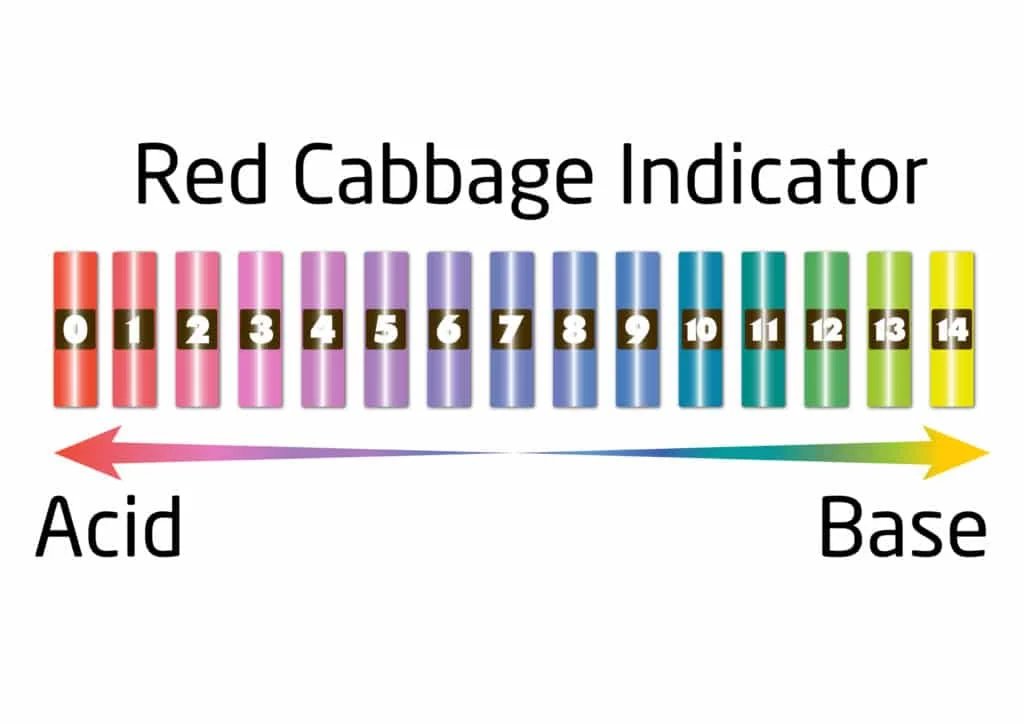
If you're looking for an engaging science experiment, using red cabbage as a pH indicator is an excellent choice for novices and seasoned experimenters alike. This simple activity offers a visual demonstration of chemical reactions involving acids and bases, making it an ideal introduction to scientific principles at home. But what’s the science underpinning this experiment? The vibrant colors of red cabbage are due to natural pigments called anthocyanins, which respond to changes in pH. These pigments change color from red in acidic environments to green in neutral conditions and blue in basic solutions. Understanding this process can add depth to the experiment, making it not just an activity, but a learning opportunity.
Materials Required
- 3 transparent containers
- Water
- White vinegar
- Baking soda (bicarbonate of soda)
- Jug
- Sieve
- Red cabbage
- Stove
- Spoon
Step-by-Step Instructions
Start by preparing the red cabbage indicator: boil a handful of chopped red cabbage in water for about 5 minutes, then let it cool. This step is crucial because heat helps extract the anthocyanins from the cabbage, creating a concentrated solution that illustrates pH levels effectively.
Once cooled, strain the mixture to collect the vibrant purple liquid—this will serve as your pH indicator. You’re left with a visually stunning product that’s more than just liquid; it’s a dynamic tool for observing chemical interactions in a fun and interactive way.
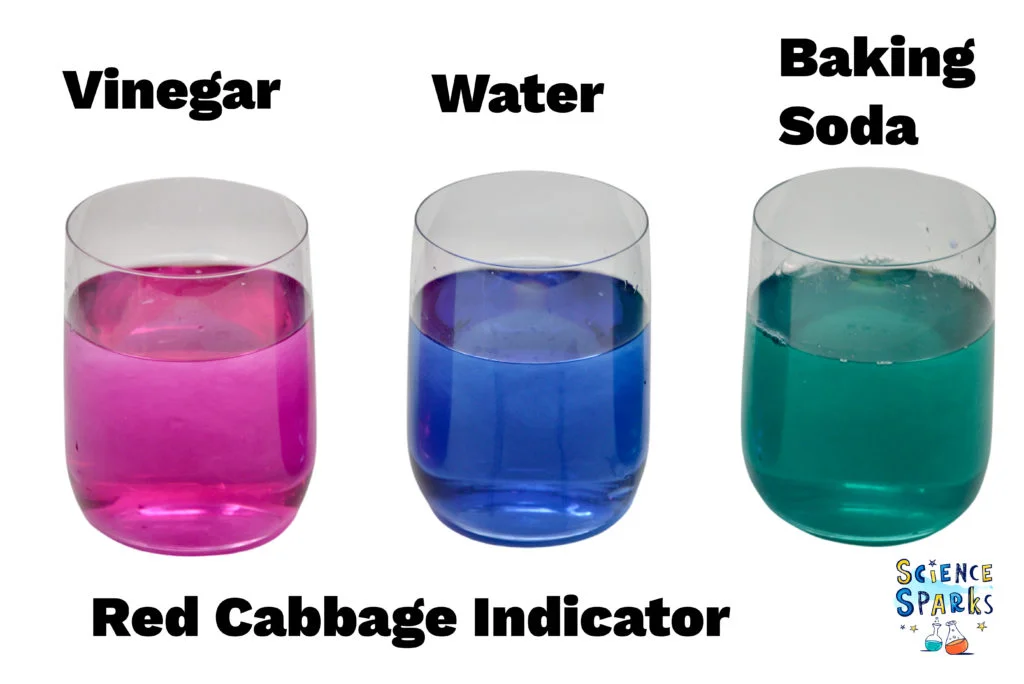
Prepare three containers with equal amounts of water. In one container, add a tablespoon of vinegar; in another, add a tablespoon of baking soda. Leave the third container with just water. This simple setup allows for a straightforward comparison, making it easy to observe the varying reactions that occur in response to different pH levels.
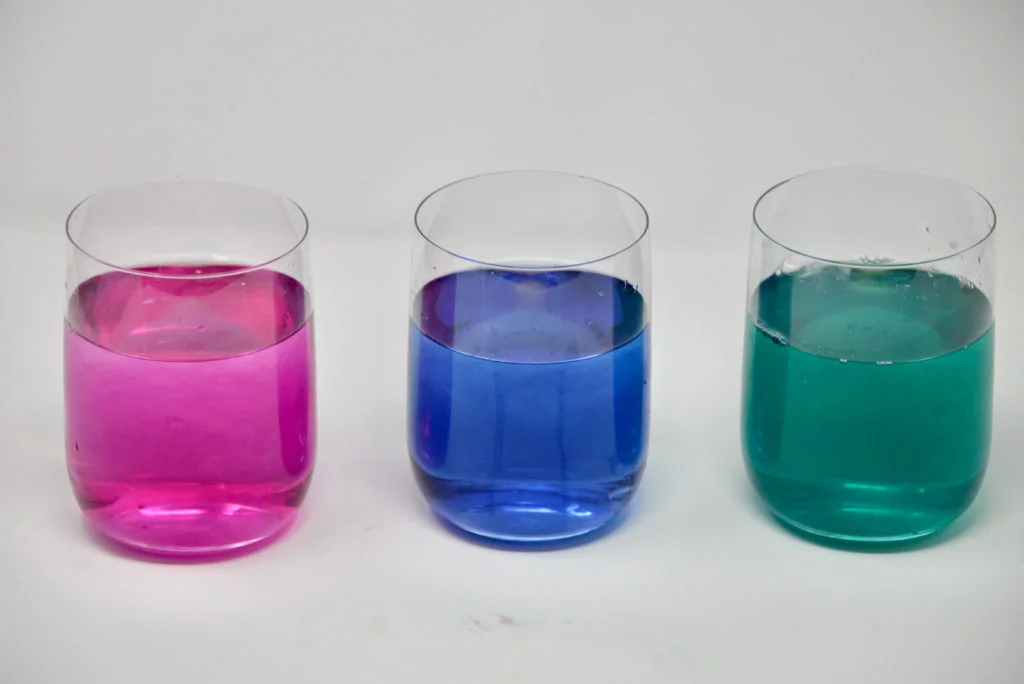
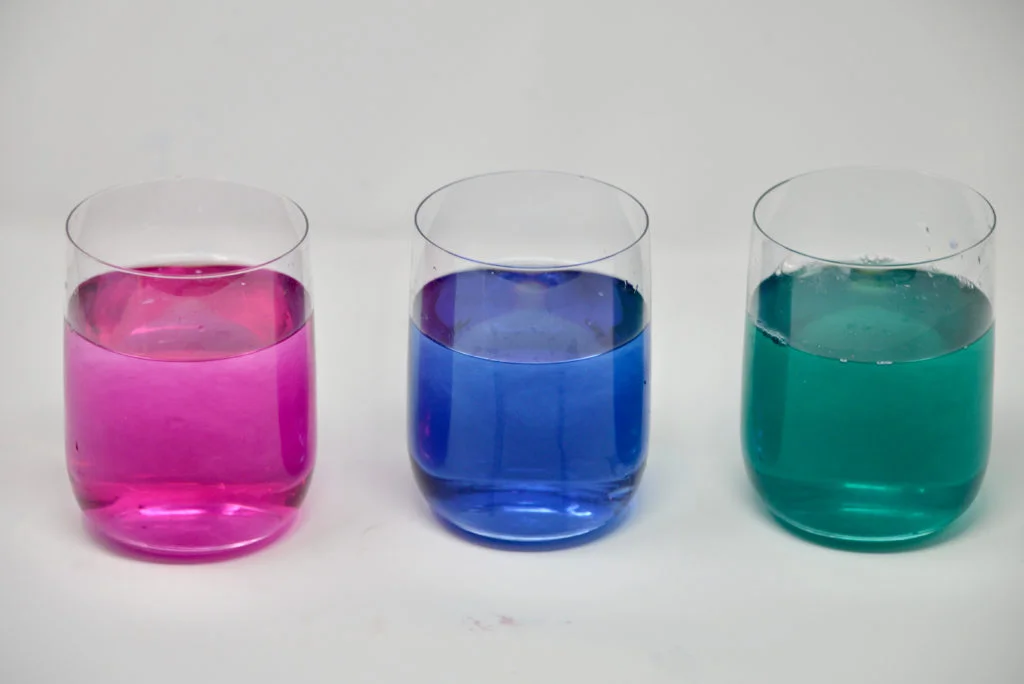
Next, pour a small amount of the red cabbage indicator into each container and observe the color changes. Expect blue with water, green with baking soda, and pink with vinegar! This is where things get exciting. When you engage with your audience, whether it's kids or adults, the reactions will prompt questions about why these colors appear. This can ignite curiosity and lead to deeper discussions about chemistry.
Feel free to experiment with varying concentrations of vinegar and baking soda to create a spectrum of shades. If you're working in this space, you might find this experimentation provides insights not just into pH levels but also into concentration effects. The color changes occur due to flavin, an anthocyanin found in red cabbage, which reacts to the pH levels of your solutions. This aspect of the experiment is underappreciated—it shows not just the principle of indicator reactions but also the concept of concentration and its significance.
If you enjoyed this experiment, don't miss out on other red cabbage experiments for more scientific fun! There’s a wealth of opportunities for both simple experiments and more intricate ones that build understanding in chemistry and related fields.
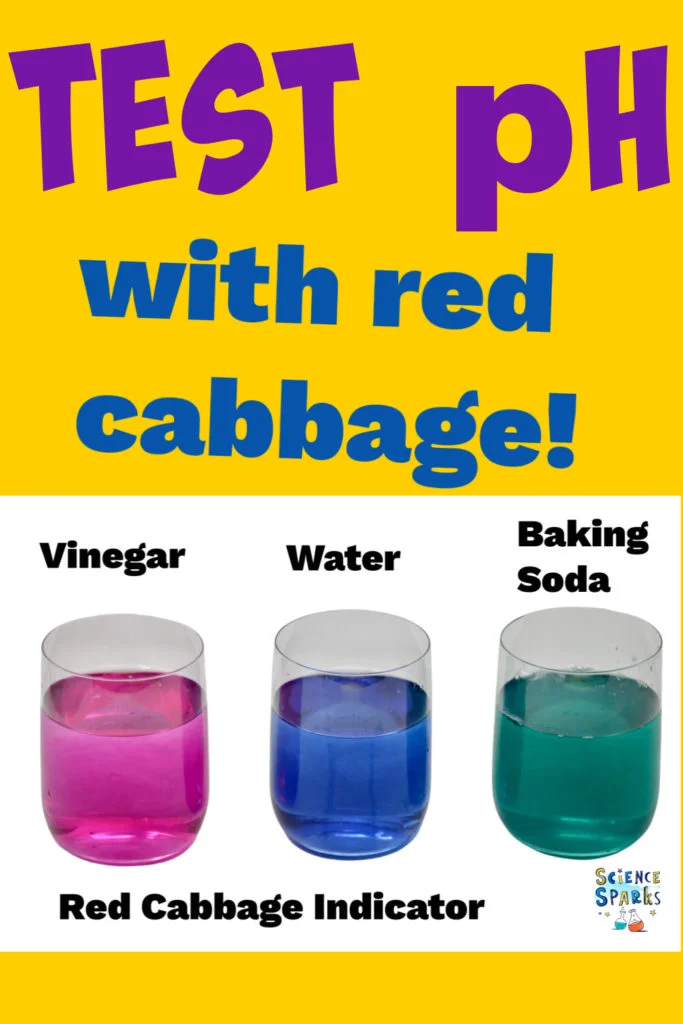
The original post is available here on Science Experiments for Kids.
Implications and Significance
This experiment is more significant than it looks. It not only makes chemistry accessible but also demonstrates a key scientific principle: that visual cues can enhance understanding. With many educational methods emphasizing hands-on learning, an experiment like this engages participants on multiple levels. You’re not just showing them what happens; you’re giving them an opportunity to explore and ask questions. The hands-on nature of this experiment promotes inquiry, and that's where real learning occurs.
In an age where students and educators alike seek ways to make science relatable, the use of everyday materials like red cabbage is a win-win. It encourages resourcefulness and showcases that science isn’t confined to laboratories—it can happen in kitchens and at dining tables. And this is the part most people overlook: the connections we forge with science through simple, relatable experiences often imprint the importance of these subjects in young minds.
Looking ahead, the potential applications of projects based on simple indicators are vast. From crafting more complex educational initiatives to implementing them in environmental science as indicators of soil pH, there's room for innovation. By making science approachable through practical applications, we prepare future generations to tackle more complex scientific challenges. What this means for you is an opportunity to ignite curiosity in those around you, whether they're learners or educators.
Discussion
Sign in to join the discussion.