Discover how to use red cabbage to create a simple breath test that reveals the acidity of your exhalation through color changes.
Engaging with Science at Home
Don't throw away the liquid after boiling red cabbage; it can serve as a versatile medium for engaging science experiments. Recycling everyday materials like this not only promotes sustainability but also enhances practical understanding of scientific principles. Many households overlook the potential of kitchen items in educational activities. This simple act of saving cabbage water can be a gateway into the fascinating intersection of cooking and science.
This method of testing the acidity of breath adds a playful spin to standard pH tests, merging culinary creativity with scientific inquiry. It showcases how science can be both fun and accessible, drawing kids—and even grown-ups—into a world that's often seen as complex and unintelligible. So, if you're working with young learners, consider this experiment to spark their interest in both cooking and chemistry, using something as simple as cabbage.
Interestingly, you can craft your own pH testing paper using red cabbage extract. This not only reinforces the lesson in pH levels but is also a fun DIY project. The tactile experience of creating an indicator paper can serve as a memorable hands-on chemistry lesson, driving home the idea that science exists all around us—not just in labs.
You’ll Need
For this experiment, you’ll need a handful of red cabbage, a pan, a stove or hob, water, a straw, a transparent container, and a sieve or colander. These are easy-to-find items that most people already have at home.
Instructions for the Breath Test
Start by boiling chopped red cabbage in a pot of water for a few minutes until the water turns purple. This color change marks the release of anthocyanins, which are sensitive to pH levels. Allow it to cool, then strain the cabbage, retaining the vibrant pink/purple liquid. This liquid is where the magic happens.
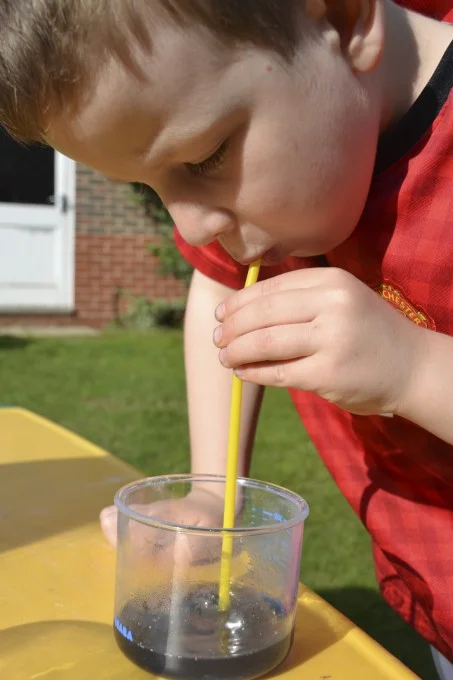
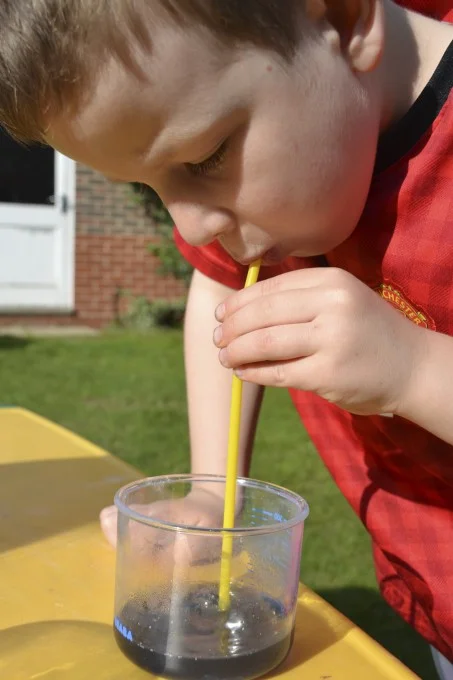
Transfer the liquid into a clear container and take the straw to blow gently into the solution. As you do, you'll witness the liquid shifting to red, marking the acidic nature of your breath! It's a direct visual demonstration of how CO2 in your breath interacts with the liquid, and it offers up a lesson in human biology and chemistry all at once. This kind of discovery is both engaging and valuable for young experimenters.
Why the Color Change?
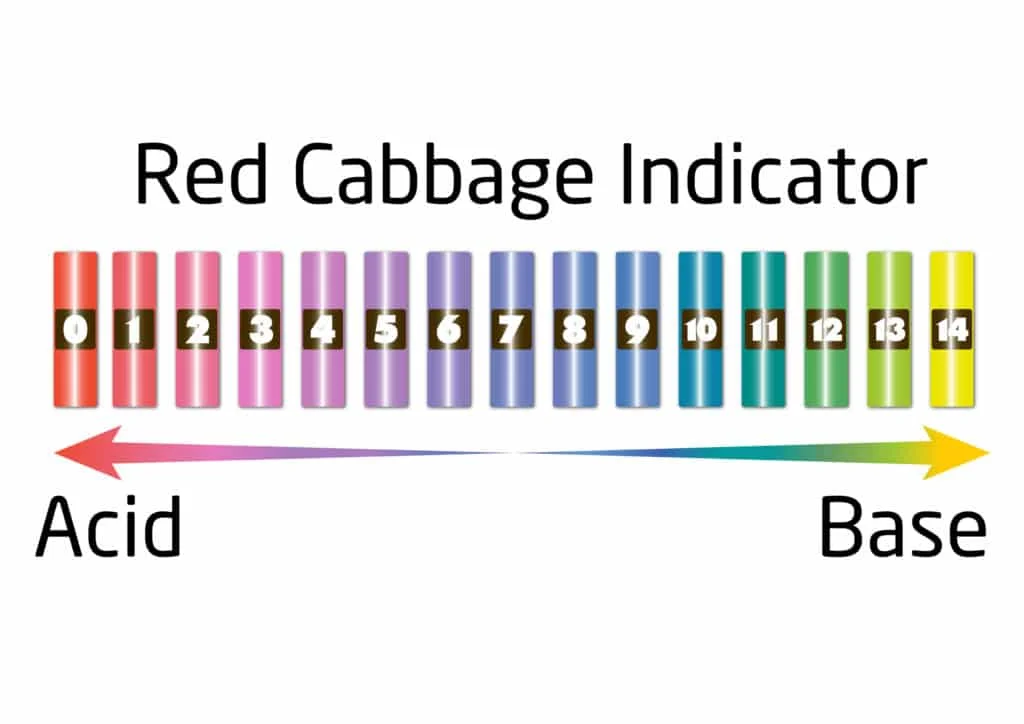
Red cabbage contains a natural pH indicator known as flavin, part of the anthocyanin family. Its color shifts based on the acidity or alkalinity of the surrounding solution. When you exhale, carbon dioxide interacts with the liquid, making it turn red due to its acidic nature. This transformation isn’t just a mere curiosity; it’s an effective way to illustrate fundamental chemical reactions. That interaction highlights the dynamic between gases in our breath and liquids.
If you have leftover red cabbage indicator, explore testing other kitchen items to uncover their acidic or alkaline properties through experimentation. It's an exciting invitation to broaden the experiment, extending the learning opportunity. Trust me, you'll discover that many common household products can lead to interesting color shifts, enriching the educational aspects of this simple procedure.
The Origins of the pH Scale
The concept of pH was first introduced by Danish chemist Soren Sorensen in 1909. He devised the scale largely to measure the acidity of solutions, which has since become foundational in both chemistry and various industries. The significance of understanding pH levels is not just academic; it's key in agriculture, environmental science, and even cooking, making this simple experiment a bridge to greater awareness of such issues.
For more engaging science activities, explore my kitchen chemistry experiments! Expanding on this topic, you'll find numerous ways to delve deeper into science through everyday activities, emphasizing that learning doesn't stop in formal settings.
Implications of the Experiment
Experiments like this one go beyond simple fun; they serve as effective educational tools. In an era where STEM education is gaining traction, practical and engaging methods to teach complex topics can ignite interest in science among young students. When children grasp the fundamentals through interactive experiences, they develop a stronger inclination towards pursuing scientific disciplines. And yet, many conventional teaching methods still favor rote memorization over experiential learning.
What this means for you, especially if you're involved in education or child development, is that incorporating these simple science experiments at home or in the classroom can foster curiosity. You'll not only entertain but also inform, bridging the gap between theory and practice. This experiment stands as a reminder that education doesn’t have to happen in sterile environments; it can thrive in our kitchens, in our homes, with ingredients we all have at hand.
The post Exploring the Red Cabbage Indicator: A Fun DIY Breath Test appeared first on Science Experiments for Kids.
Discussion
Sign in to join the discussion.