Engage kids in science through exciting baking experiments that reveal the chemistry behind cooking. Uncover principles while whipping up delicious treats!
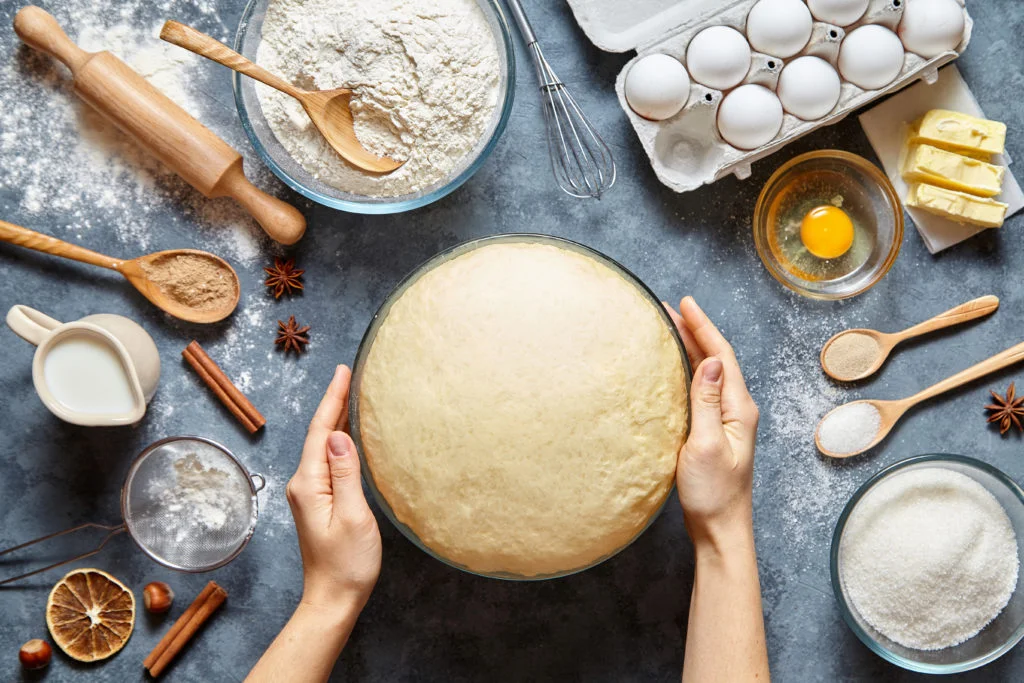
Getting kids interested in science can be a delicious endeavor, especially when the kitchen becomes the classroom. Baking is not just about mixing ingredients; it's an exploration of chemistry that transforms simple components into delightful creations. Understanding this process can deepen appreciation for both science and food.
A common misstep in baking is the measurement of leavening agents. Forgetting baking powder or using too much can lead to disappointing results, highlighting how precision can affect the outcome. It's all about the delicate balance between each ingredient, cooking time, and temperature to achieve that perfect bake.
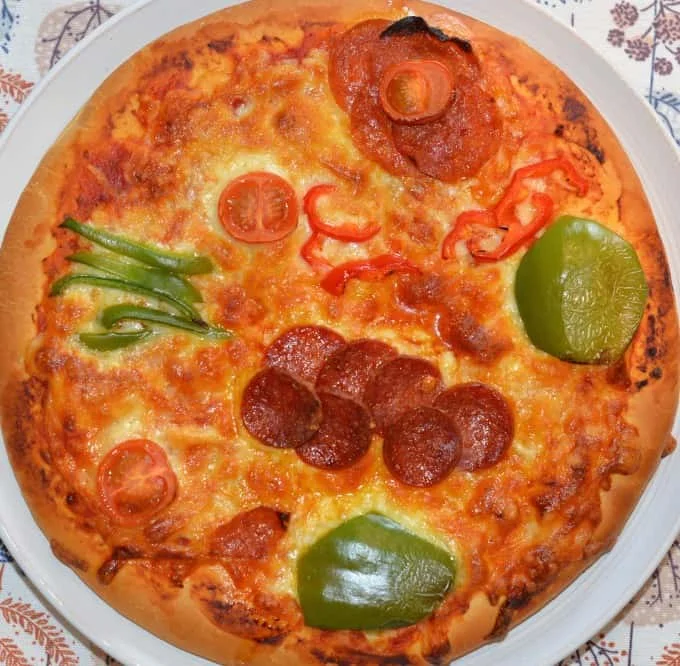
Plant Cell Pizzas
While the name might not be enticing, it's a fantastic entry point into learning about yeast and fermentation. The magic of pizza dough lies in yeast, which helps the base rise and develop texture. Without it, you'd end up with something quite flat!
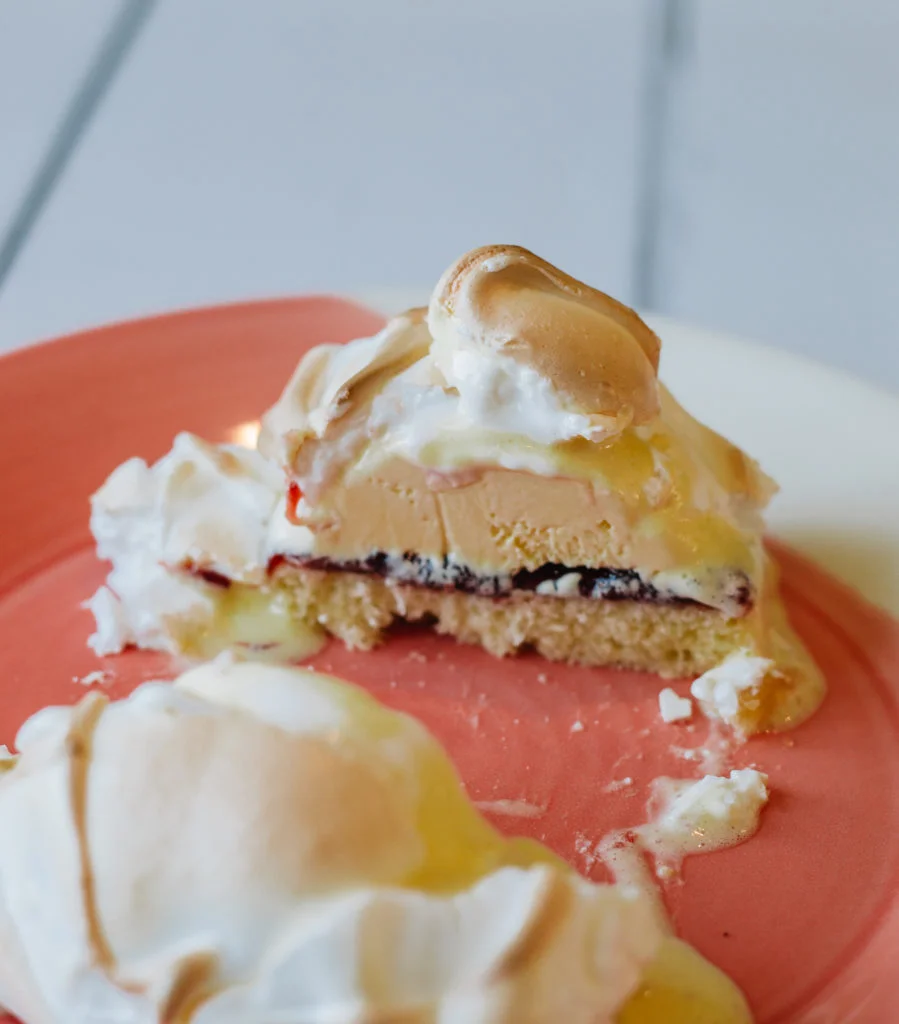
Baked Alaska
This impressive dessert is easier than it looks. At its core, Baked Alaska relies on meringue to create an insulating layer that protects the ice cream from the oven's heat. The key here is the air trapped in meringue, which allows this dish to maintain its cold centre while the outside gets baked.
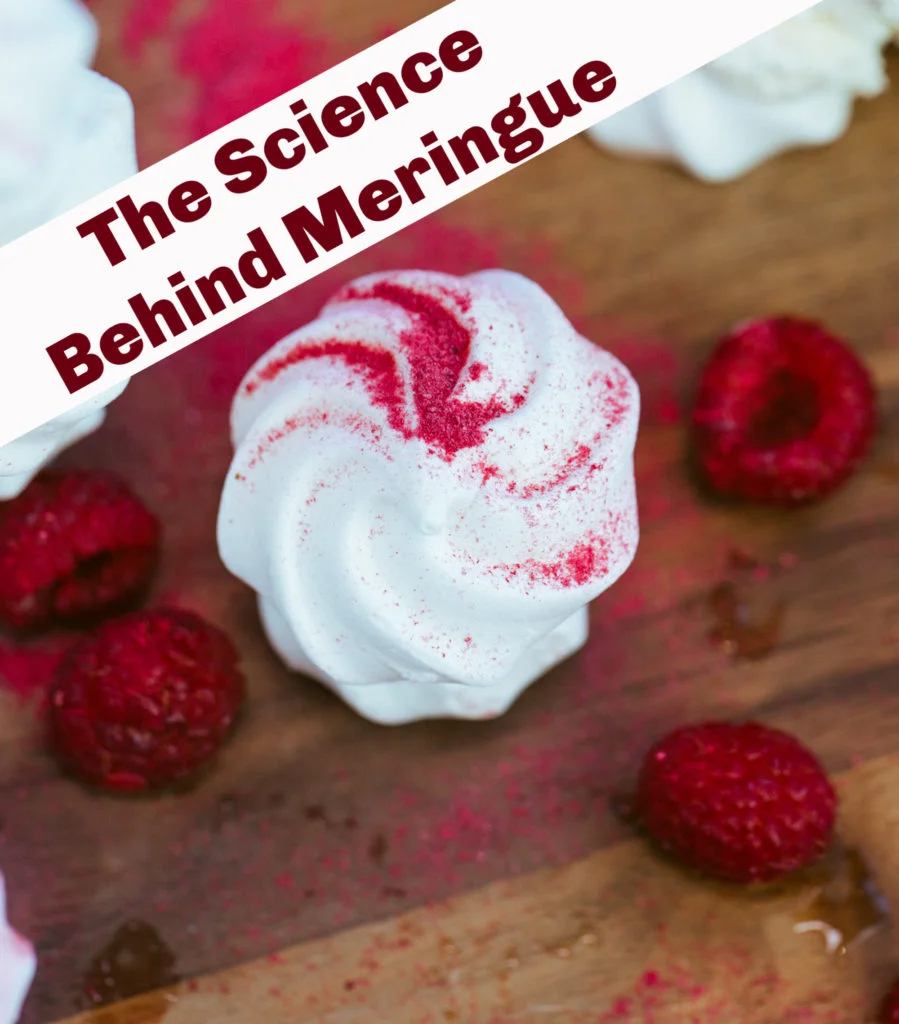
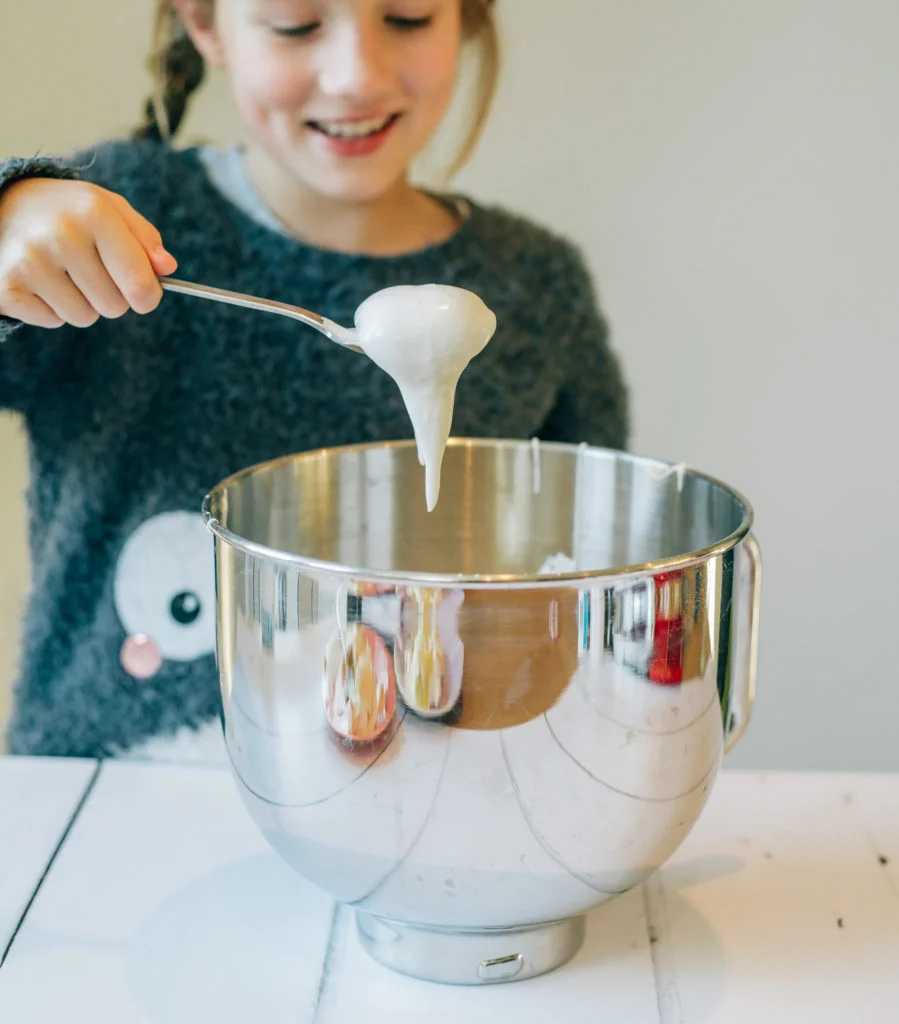
Meringue Tower
Meringue can be a fascinating topic on its own. With a few simple steps, you can observe how egg whites transform into a fluffy topping, perfect for layering with fruits and creams for an engaging dessert experience.
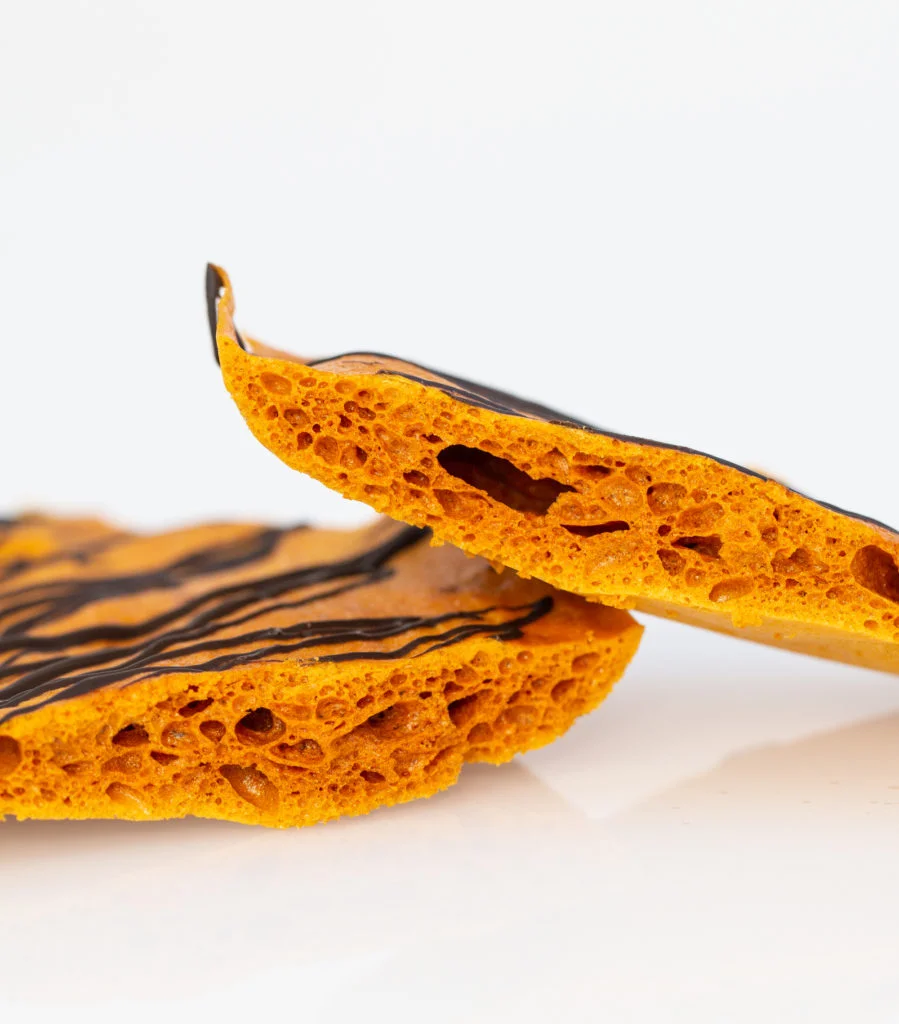
Honeycomb
Making honeycomb is a sweet and simple process. This treat's distinct texture comes from golden syrup and baking soda. The reaction between these ingredients creates tiny bubbles, resulting in the characteristic crunch. Why not try this easy recipe for a fun kitchen experiment?
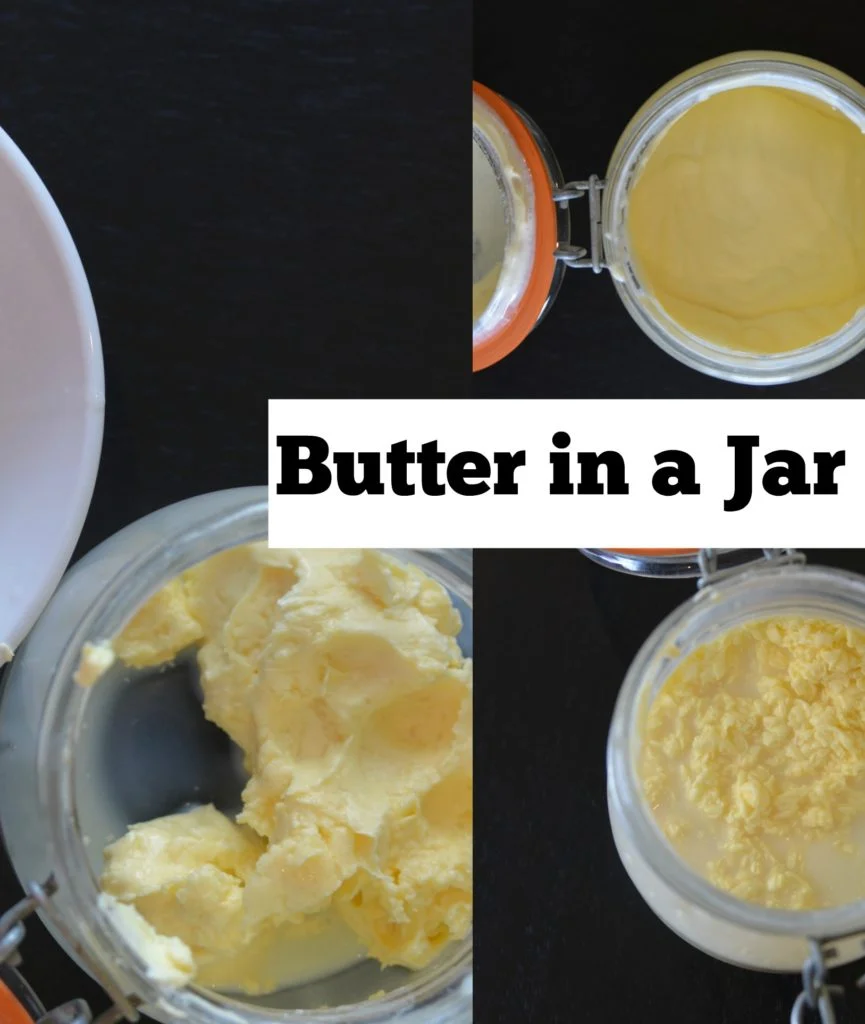
Make Your Own Butter
Butter is a staple in many baking recipes. But did you know it's possible to make it at home? By shaking cream in a jar, kids can witness the transformation into butter firsthand. This engaging experiment illustrates how agitation changes the composition of cream into butterfat.
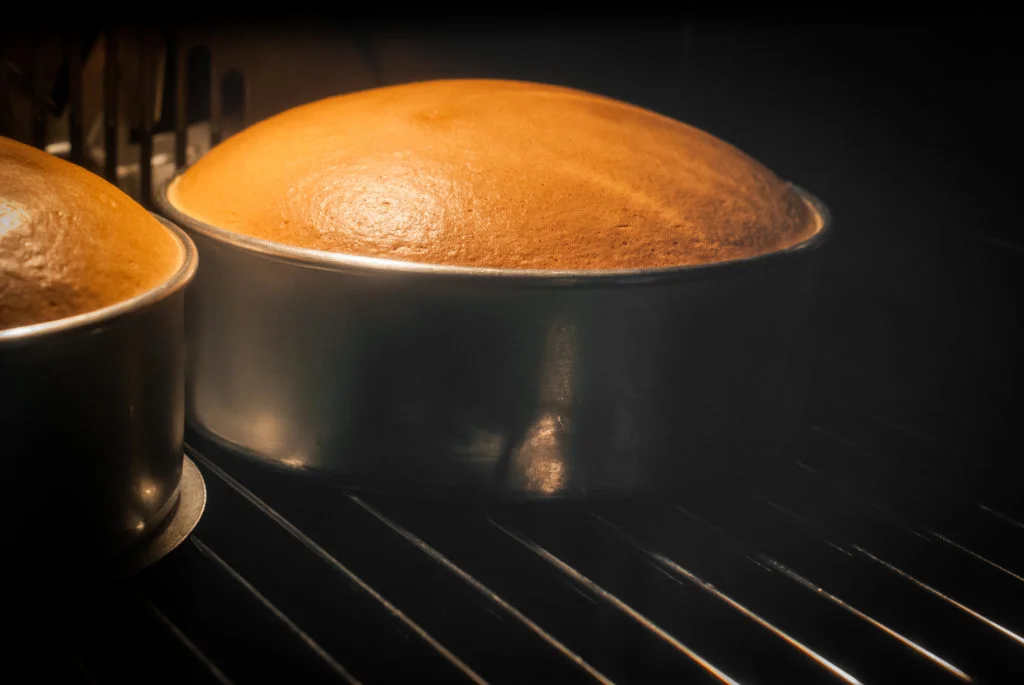
Science of Baking – Bake a Cake
Baking a cake incorporates a multitude of scientific principles. From the role of gluten in flour to the importance of leavening agents, each component plays a pivotal role in the cake's texture and flavor. Understanding these interactions can make for a more successful and educational baking experience.

Flour in a Cake
Your standard cake recipe often relies on wheat flour, which when mixed with liquid, forms gluten—a key protein that provides structure. Gluten consists of two proteins, gliadin and glutenin, which together create a network that helps trap air, resulting in a light texture. Too little kneading leads to weak structure; too much results in a dense cake.
Leavening Agents
Leavening agents like baking soda and yeast add lightness to your baked goods by creating bubbles of gas that expand in heat. Yeast, in particular, ferments sugars, producing carbon dioxide, which makes bread rise. Understanding these scientific principles allows for more effective baking and experimentation.
Steam and Eggs
Water content in ingredients can also act as a leavening agent via steam. When heated, steam expands within the batter, adding lift. Similarly, whipped egg whites introduce air into batters. When carefully folded into the mixture, they can dramatically increase a cake's fluffiness.
Egg as an Emulsifier
Egg yolks contain lecithin, which helps efficiently bind water and fat. This property makes eggs an essential ingredient in many baked goods, ensuring a uniform texture and enhancing flavor.
Sugar and the Maillard Reaction
Sugar does more than sweeten; it plays a fundamental role in flavor development and browning through the Maillard reaction. This chemical process between amino acids and sugars produces the delightful aroma and color of baked goodies. Understanding this interaction leads to better baking outcomes.
These five baking projects not only yield delicious results but also serve as effective science experiments that can captivate children's curiosity. If the sweet treats aren't your dish of choice, consider trying something savory with a three-course meal of science experiments!
A well-rounded cooking experience can foster a love for both science and culinary arts. So why wait? Get your kids involved in the kitchen and explore these educational baking adventures!
Discussion
Sign in to join the discussion.