Learn the simple process of turning cream into butter at home, a tasty activity that also introduces key scientific concepts.
The Joy of Homemade Butter
Making butter from cream is a delightful kitchen task that's surprisingly easy yet rewarding. While many home cooks might gravitate toward store-bought options for convenience, crafting butter at home has a unique charm. It’s not just about the flavor difference; it’s an engaging process that connects you to traditional food-making methods. The hands-on nature of this activity can transform your kitchen into a classroom, teaching you and those around you about the science behind cooking.
This hands-on activity is an enjoyable way to utilize leftover cream while introducing yourself or others to the fascinating world of colloids and emulsions. Understanding these scientific principles adds a layer of depth to what might otherwise be viewed as mere cooking, turning it into an exploration of food chemistry.
Understanding the Science Behind Butter Making
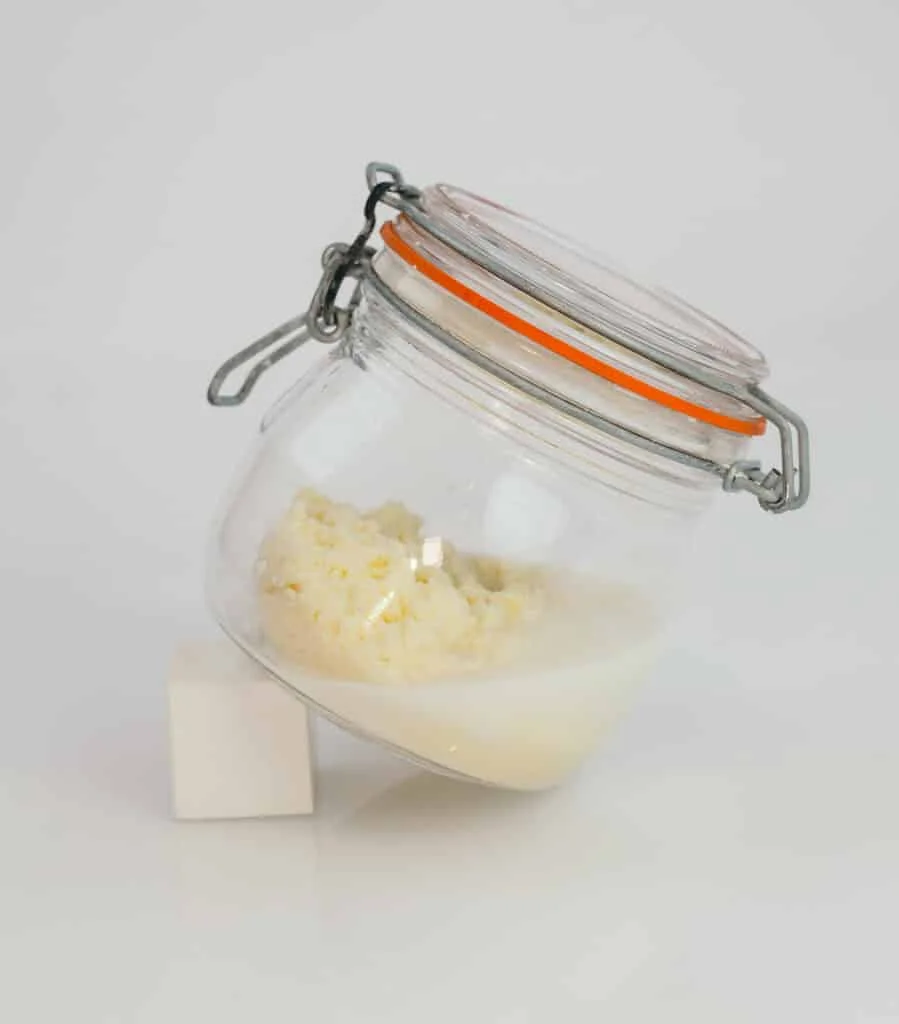
Cream itself is an emulsion, a system where tiny fat droplets are suspended in water. This emulsification is what gives cream its rich texture and flavor. When you shake the cream, something remarkable happens: the fat droplets start to coalesce. This physical change is at the heart of butter-making. As such, it highlights how mechanical action can manipulate food properties at a molecular level, transforming a creamy liquid into a solid block of butter. It’s a topic often glossed over in culinary discussions but represents a significant intersection of cooking and science.

Creating Butter from Cream at Home
Ingredients and Tools
To embark on this culinary journey, you’ll need quality double cream, ideally from a trusted source. Ensure that the cream is allowed to reach room temperature, as this makes it easier to shake and prevents it from solidifying before you can achieve the desired consistency. You’ll also need a jar with a tight-fitting lid. The simplicity of these requirements highlights another appeal of homemade butter—minimal investment with potentially high returns.
Simple Steps to Make Butter
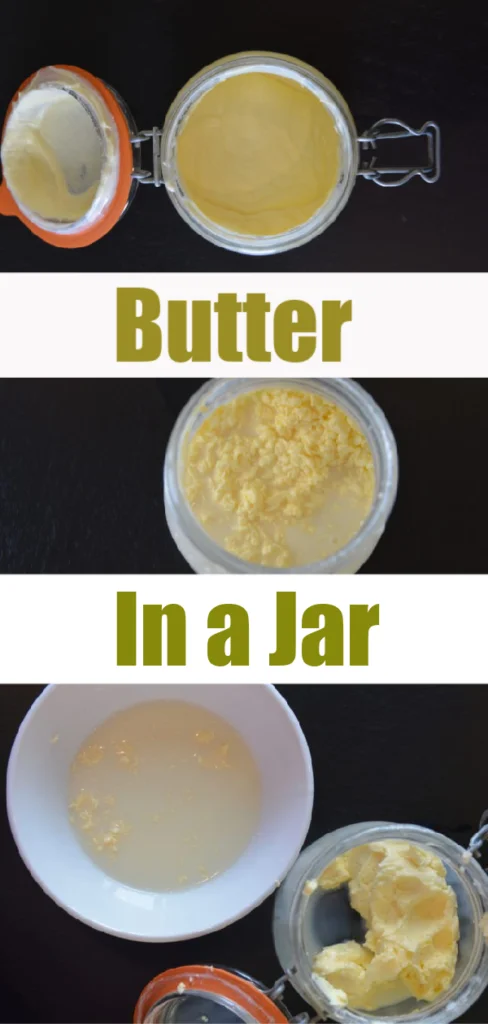
First, allow the cream to warm to room temperature. This step is more than just a minor detail; nearly every recipe hinges on achieving the right temperature for optimal results. Next, fill the jar halfway with cream and secure the lid tightly. Now, starts the fun part: shaking. Enlist friends or family to help—this makes the process not just quicker but often more enjoyable!
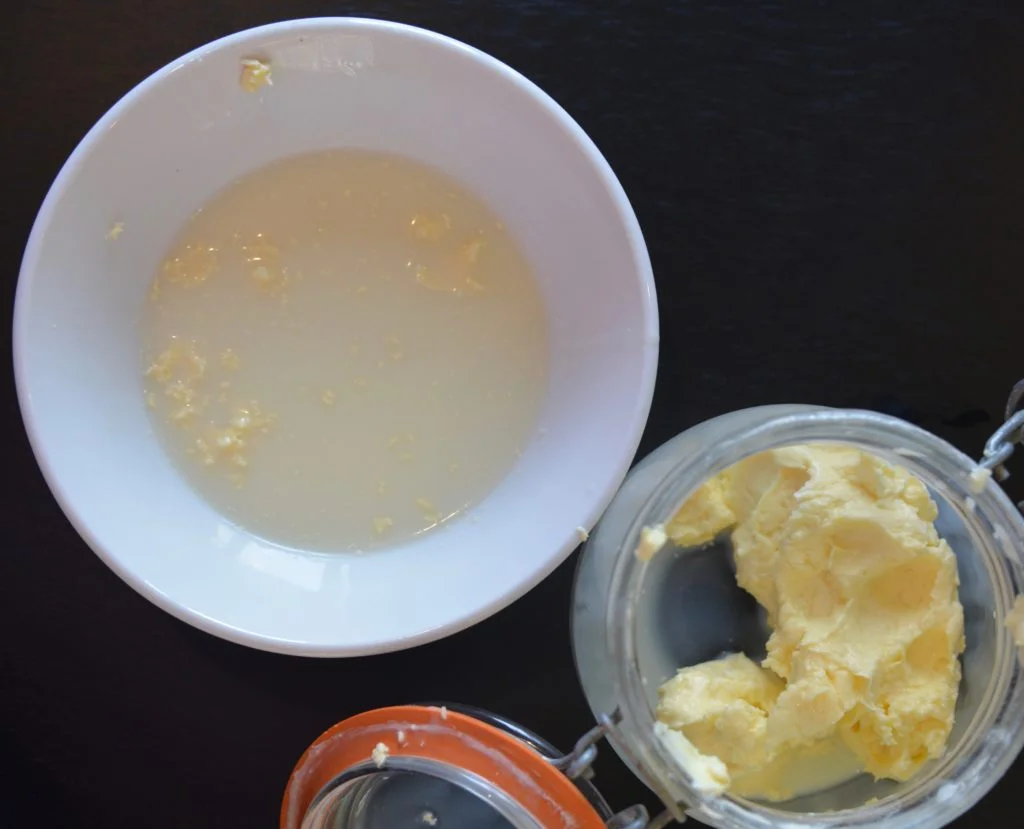
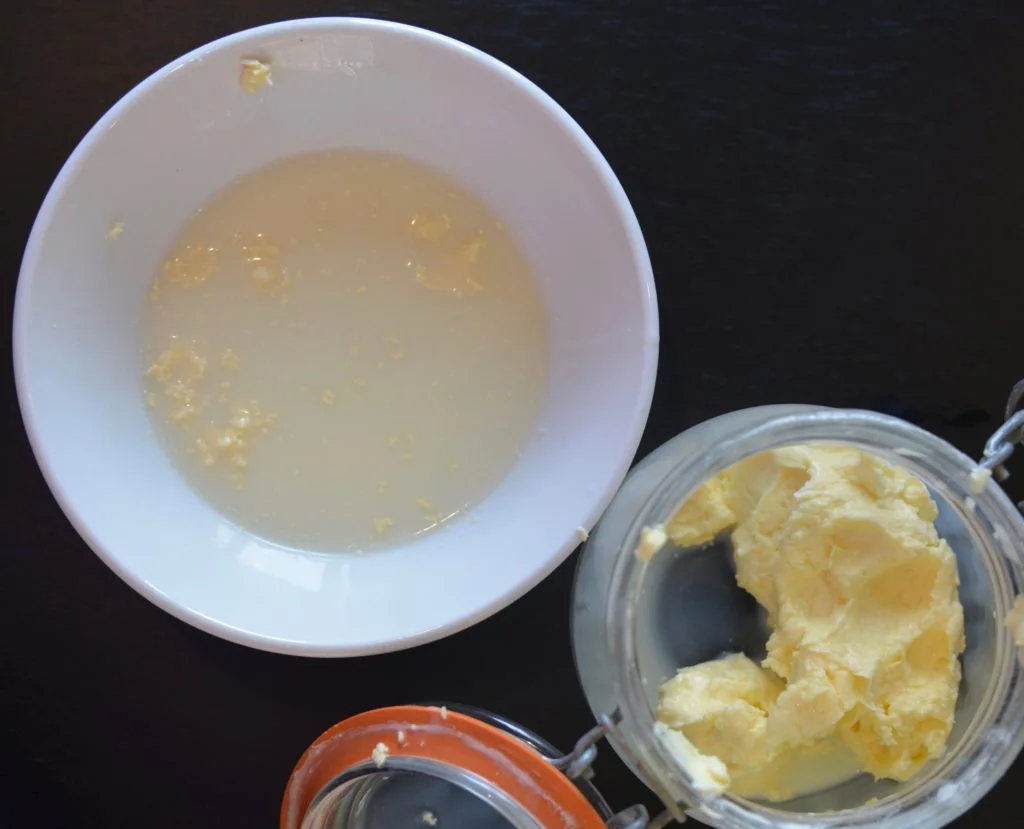
Initially, as you shake, the cream will assume a whipped texture. But don’t be fooled—this is merely the prelude. Keep at it, and soon you’ll notice the butter forming as the fat separates from the buttermilk. Once this stage is reached, take a moment to appreciate your effort. Wash your hands and gently squeeze out the excess buttermilk before rinsing. This cleansing step ensures the lasting quality of your home-made butter, preventing any unwanted odors or flavors.
When you taste it, you'll likely notice a vibrant flavor that stands in stark contrast to store-bought options that often rely on artificial additives or preservatives. This difference is more significant than it looks; it speaks volumes about food authenticity, which is increasingly sought after in our consumption choices.
The Bigger Picture: Home Cooking as an Educational Experience
It's fascinating to reflect on how our modern society has tended to move away from culinary skills in favor of convenience. But returning to making butter from cream at home not only revives a traditional craft, it acts as a valuable educational tool. If you're working in this space—maybe you’re a teacher or a parent—you'll find that these activities can be rich with learning opportunities. They offer a hands-on approach that engages both children and adults, linking food science with something everyone can relate to: cooking.
Cream and butter both represent emulsions, again emphasizing the beauty of science that exists in everyday life. And this is the part most people overlook: the lessons you can glean from such simple activities can extend far beyond the kitchen. They touch on principles of chemistry, physics—scientific inquiry that can spur curiosity in young minds.
Exploring More Kitchen Science
For those interested in expanding their kitchen science repertoire, don't miss out on more experiments that make learning delightful. You can find projects that challenge you to create glue from milk or various other engaging culinary experiments designed to inspire creativity and curiosity.
The post Butter from Cream: A Simple Guide appeared first on Science Experiments for Kids.
Discussion
Sign in to join the discussion.