Create delicious homemade ice cream in just 10 minutes using ice, salt, and milk with this engaging science activity perfect for kids.
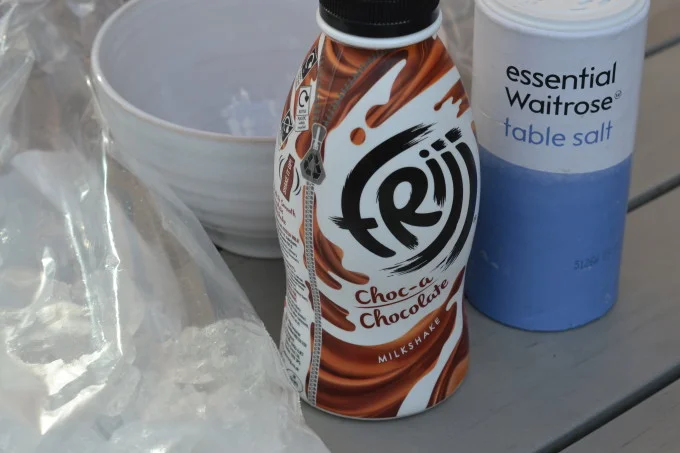
Imagine whipping up homemade ice cream in a bag in less than ten minutes without needing a traditional freezer. All it takes are a few simple ingredients like milk, ice, and salt, making it an exciting project for children and a unique culinary experience. What's often overlooked is that this isn't just a treat; it's a playful intersection of science and creativity that many parents and educators can easily access.
This tasty treat not only pleases the palate but serves as an engaging science experiment that introduces kids to fundamental concepts of chemistry through a fun process. The inherent blend of cooking and learning makes it particularly valuable for parents seeking hands-on educational activities for their children. Ultimately, this output isn’t merely about making dessert; it’s about sparking curiosity and opening doors to scientific exploration.
Understanding Ice Cream
Ice cream is essentially a delicious mix of milk fat, air pockets, and tiny ice crystals. Achieving the right balance among these components is critical to ice cream's creamy texture. The magic of making ice cream in a bag lies in using salt and ice to lower the freezing point and create the right consistency of ice cream without needing a freezer. Typically, traditional methods involve churning the mixture while freezing, but this method illustrates that simple physics can yield similarly enjoyable results.
Ingredients for Your Ice Cream Creation
To start this fun project, gather the following:
- A large bag of ice
- Salt (rock salt works best)
- Milk (chocolate milk can add a delightful flavor, but any milk or dairy-free alternative works)
- Optional: A tablespoon of sugar and a teaspoon of vanilla extract for flavor
- Resealable plastic bags
- A tea towel or cloth to handle the cold
Each ingredient plays a role; take salt, for instance. While we often think of it as simply a seasoning, in this instance, it’s a catalyst for the freezing process. Understanding each component deepens the overall experience of this culinary science project.
Steps to Make Ice Cream in a Bag
- Pour a cup of milk into a resealable plastic bag and add sugar and vanilla if desired. Seal the bag tightly to prevent spills.
- In a larger resealable bag, fill it halfway with ice and add a generous amount of salt.
- Place the milk-filled bag into the bag with the ice, ensuring it’s well packed.
- Shake, roll, and keep the mixture moving; the more contact the milk bag has with the ice, the better.
- Use a tea towel to wrap the bags as they can get very cold. Check the milk mixture after about five minutes; it should have thickened to a creamy consistency. If it hasn’t, give it a bit more time.
The interactive nature of the process encourages teamwork, problem-solving, and patience. As children shake and react to the condensation forming outside the bags, they’re privy to real-time results of their work—an experience that leaves lasting impressions.
The Science Behind Ice Cream in a Bag
When you mix salt with ice, it lowers the freezing point of water, a phenomenon known as freezing point depression. This principle is foundational to many culinary techniques and often gets overlooked by novice cooks. As the ice melts, it absorbs heat from the surrounding environment, in this instance, the milk mixture, causing it to freeze and form ice crystals among the fat droplets. It's a fascinating interplay of chemistry and temperature.
A towel is essential, as the bag will become extremely cold during this process. The more salt you incorporate, the lower the melting point of the ice, ensuring a colder mix that facilitates ice cream formation. This highlights a basic aspect of scientific experimentation: changing one variable can significantly alter the outcome. (And this is the part most people overlook)
Further Exploration
Encourage creativity by experimenting with different flavors and mix-ins for the ice cream. Some might consider adding fruit, cookies, or even spices to take their creation to the next level. You could even host a friendly challenge to discover who can create the coldest or the most exciting flavor combination! This not only enhances the flavor but also fosters curiosity about how various ingredients interact with one another.
This activity is perfect for science clubs or as a STEM project that not only teaches culinary skills but also the scientific principles at play. Bringing in concepts like measurement, temperature, and reaction dynamics makes this a multifaceted educational endeavor that teaches children about both cooking and science.
Discover More Kitchen Science
If you find this ice cream experiment exciting, explore other fun kitchen science experiments that enhance learning through delicious activities. From baking to mixing ingredients that create fascinating reactions, there's a plethora of engaging options to try. These activities can solidify learning while also making it tasty.
The delight of making ice cream this way is just the beginning. Consider incorporating other scientific experiments that harness the wonders of chemistry and bring the fun of cooking into learning. Expect more than just satisfaction from a tasty treat; these moments can provoke curiosity and instill a love for discovery.
Implications and Future Outlook
This combination of culinary arts and educational engagement signifies a growing interest in experiential learning, particularly among younger generations. As families and educators increasingly look for ways to incorporate STEM into everyday activities, projects like this lay the groundwork for deeper curiosity and understanding of scientific principles. What this means for you is that the kitchen can become more than a place for meal prep; it can evolve into a dynamic learning environment.
In the future, expect more innovative approaches that merge education with fun, allowing children to grasp complex topics like thermodynamics through simple, relatable tasks. This isn't just about ice cream; it’s a blueprint for how we can explore scientific concepts in digestible, engaging ways that resonate with young minds. The simplicity of this project, paired with its potential for broadening knowledge, should inspire further experimentation and creativity.
For detailed instructions, check out our Ice Cream in a Bag Instructions.
Discussion
Sign in to join the discussion.