Explore the fun of red cabbage indicators, a playful way to teach kids about pH changes through colorful, fizzy reactions.
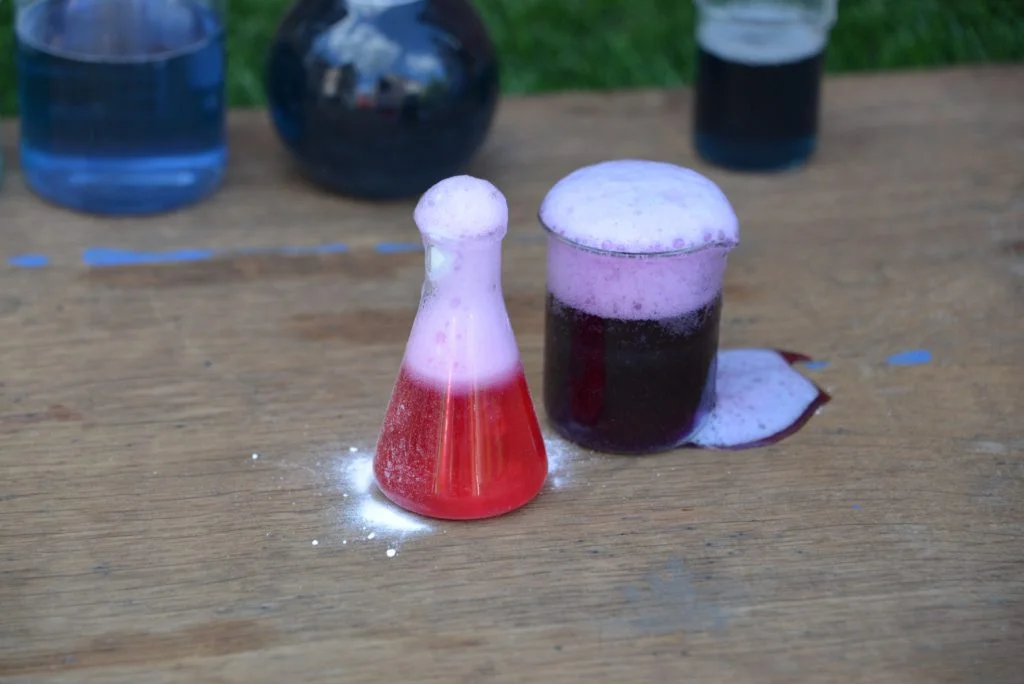
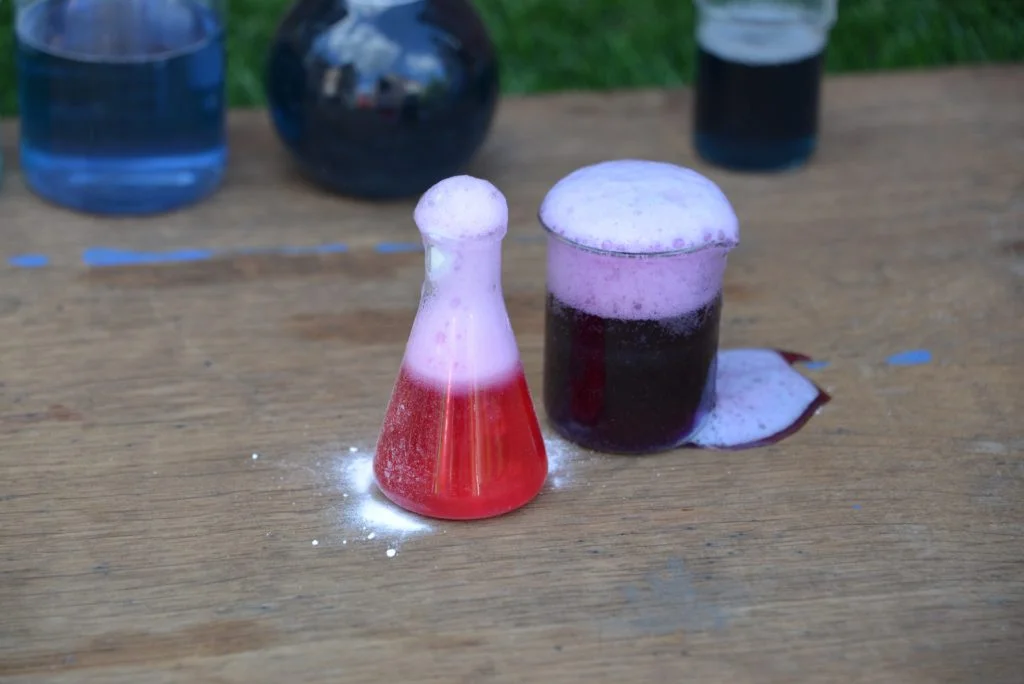
The red cabbage indicator offers a delightful way for children to experiment with color changes via acids and bases. By mixing red cabbage juice with varying amounts of baking soda (alkaline) and vinegar (acidic), striking color transformations occur. This simple yet effective method not only engages kids but also introduces fundamental concepts of chemistry and pH in a visually stimulating way, making learning feel more like play than study.
Understanding pH Indicators
A pH indicator changes color to showcase the acidity or alkalinity of a solution. Acids exhibit low pH levels, while alkaline solutions register higher pH values. It’s a straightforward concept, yet it carries significant implications in both the laboratory and everyday life, from understanding food acidity to environmental science. In essence, pH indicators serve as essential tools for monitoring chemical behavior in diverse fields, including biology, agriculture, and even cosmetics.
The Science Behind Red Cabbage
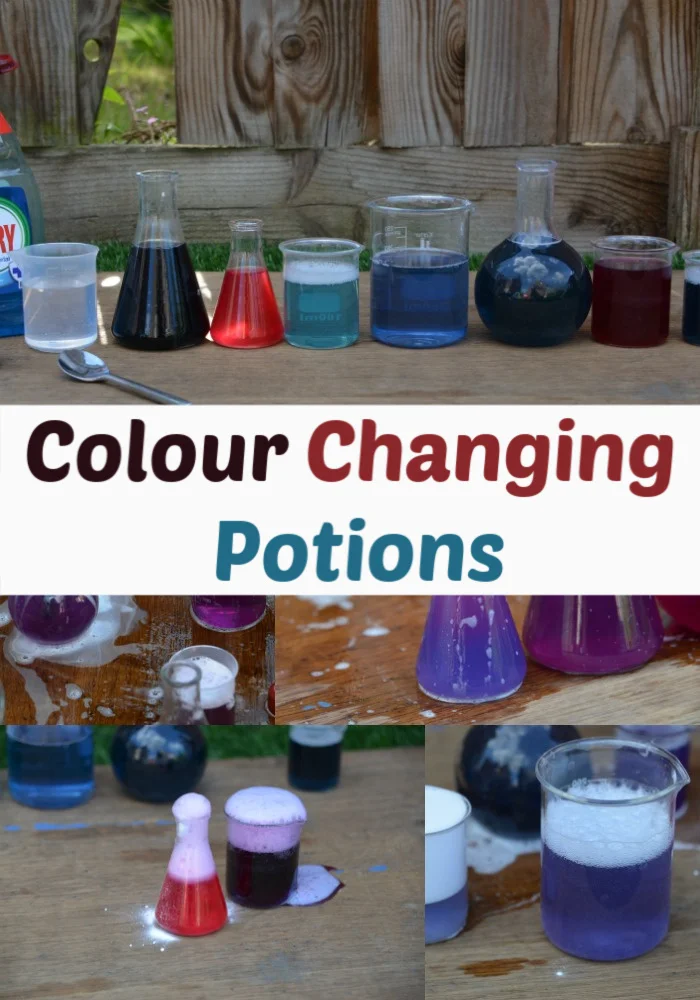
Red cabbage contains anthocyanin, a pigment that reacts to pH changes. In acidic conditions, it displays a pink/red hue, shifts to purple within neutral solutions, and turns blue or green when exposed to alkaline substances. This color change occurs due to the molecular structure of anthocyanins, which can accept and donate protons depending on the surrounding environment's acidity or alkalinity. While most people see this as clever science, there’s a deeper significance: it illustrates how natural substances can be harnessed for educational purposes. That’s not just chemistry—it’s a fascinating exploration of nature's palette.
Crafting Color-Changing Potions
What You’ll Need
- Chopped Red Cabbage
- A Pan
- Water
- A Stove
- Strainer
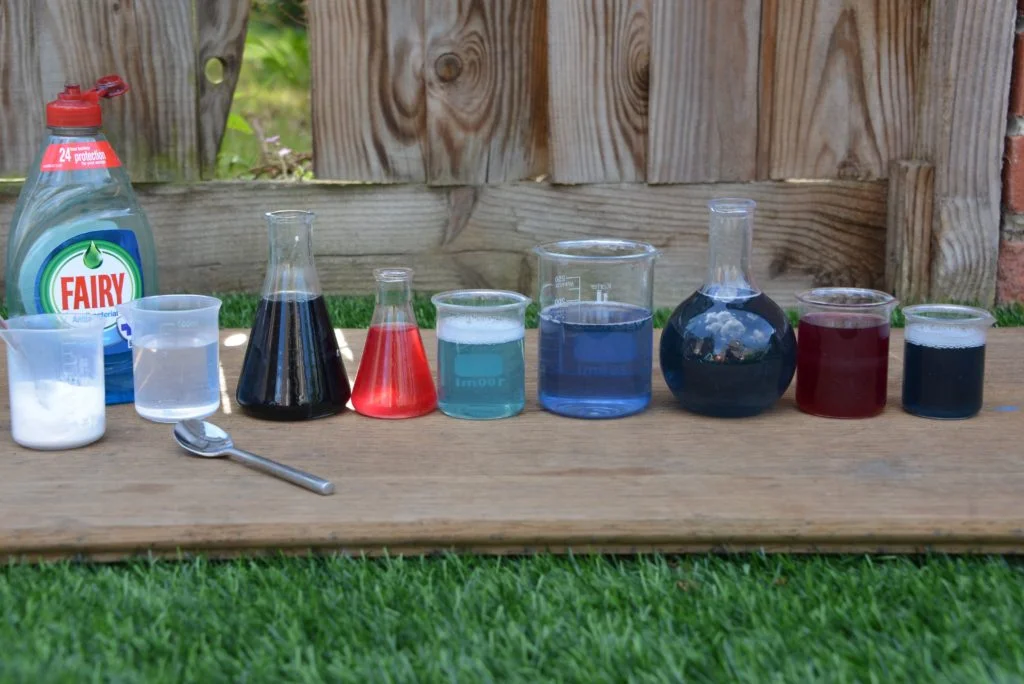
- Various Jugs, Jars, and Beakers
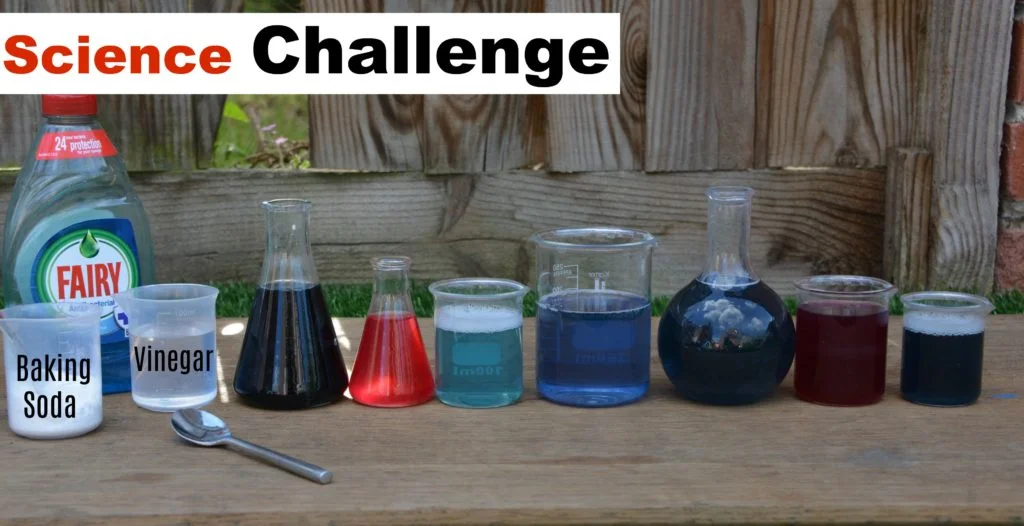
- Vinegar
- Dish Soap
Step-by-Step Instructions
Begin by simmering the chopped red cabbage in water until the liquid transforms into a vibrant purple. Carefully strain the mixture, discarding the solids to keep only the colored water. This bright liquid acts as your color-changing medium. It’s a visually appealing step that not only captures attention but highlights the process of extraction in simple terms, making it easier for kids to follow along.
Pour small amounts of the colored solution into beakers. Each container can then be adjusted with varying quantities of baking soda or vinegar. Experimenting with these combinations reveals the potential for different color outputs. In this phase, kids get hands-on experience with the scientific method: hypothesizing, testing, and observing results. As they explore the outcomes, they’re not just mixing potions; they’re actively learning about reactions.
Fizzing Fun Challenge
For an exciting twist, mix vinegar into a beaker of baking soda or the reverse to observe a fizzy chemical reaction that also alters colors. This bubbling effect adds an extra dimension to the experiment, offering a sensory experience that makes the science even more memorable. Kids love this part, and it’s the moment when abstract chemical reactions become tangible and fun.
Safety Considerations
Remember to wear goggles when handling strong acids or bases, and ensure an adult assists with chopping and cooking the cabbage. While red cabbage isn’t particularly dangerous, the other materials could pose risks if mishandled. Involving adults ensures safety and can lead to extra learning moments about safety in science experiments—an often-overlooked aspect in the excitement of conducting an experiment.
Additional Ideas
Check out how The Science Kiddo froze red cabbage indicator to assess various substances. This idea not only offers another layer of experimentation but also introduces concepts like temperature's effect on chemical behavior. You can also create your own pH indicator test strips for even more fun! This alternative provides a practical application for the knowledge gained in the original experiment, reinforcing learning through variation.
Implications and Future Outlook
Experiments like the red cabbage indicator serve as gateways for deeper scientific engagement in young minds. They encourage inquiry-based learning and critical thinking—skills increasingly necessary in a tech-driven society that thrives on STEM competencies. The ease of this experiment makes it particularly accessible for educators and parents alike, with minimal resources needed to spark curiosity. If you're working in this space, consider how such simple experiments can pave the way for more complex explorations in chemistry.
This method of harnessing natural resources for scientific learning also hints at broader curricular applications. It might inspire similar efforts to bring nature into classrooms, marrying environmental education with fundamental scientific principles.
The post Creating Colorful Chemistry with Red Cabbage Indicators appeared first on Science Experiments for Kids.
Discussion
Sign in to join the discussion.