Discover the science behind meringue and why only egg whites are used, along with a fun kitchen experiment to create impressive meringue towers.
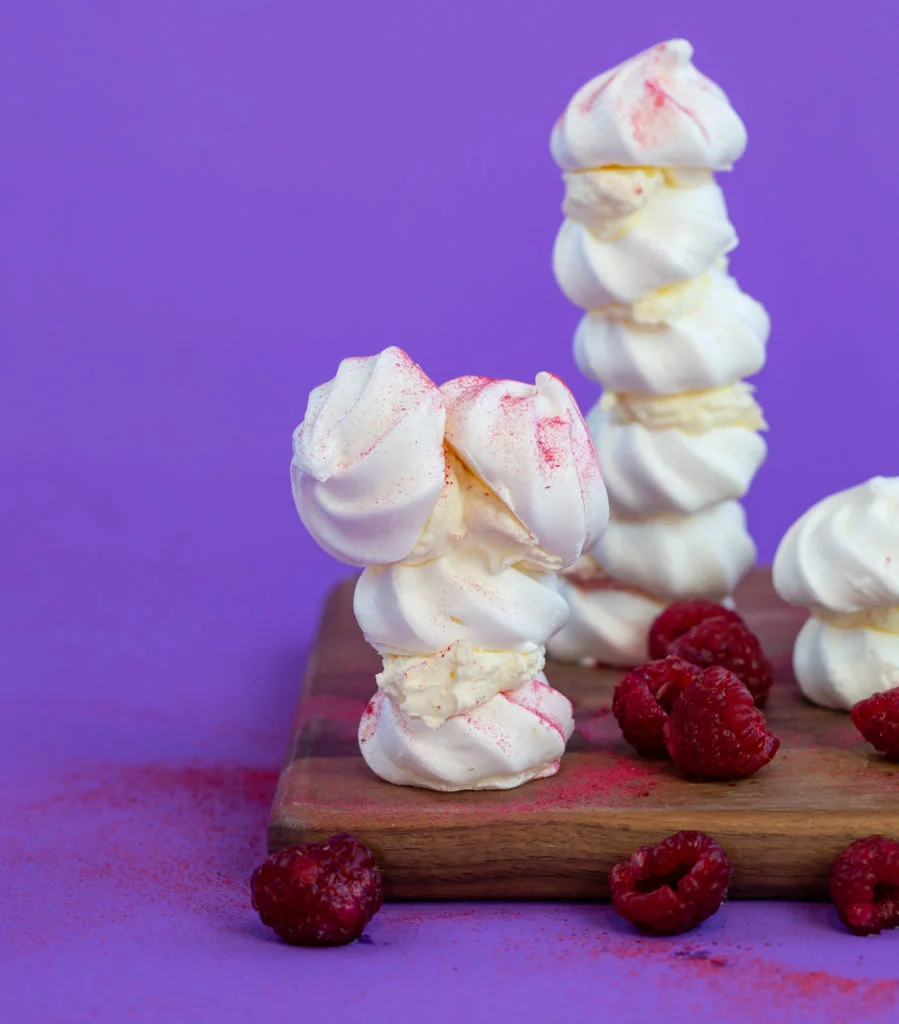
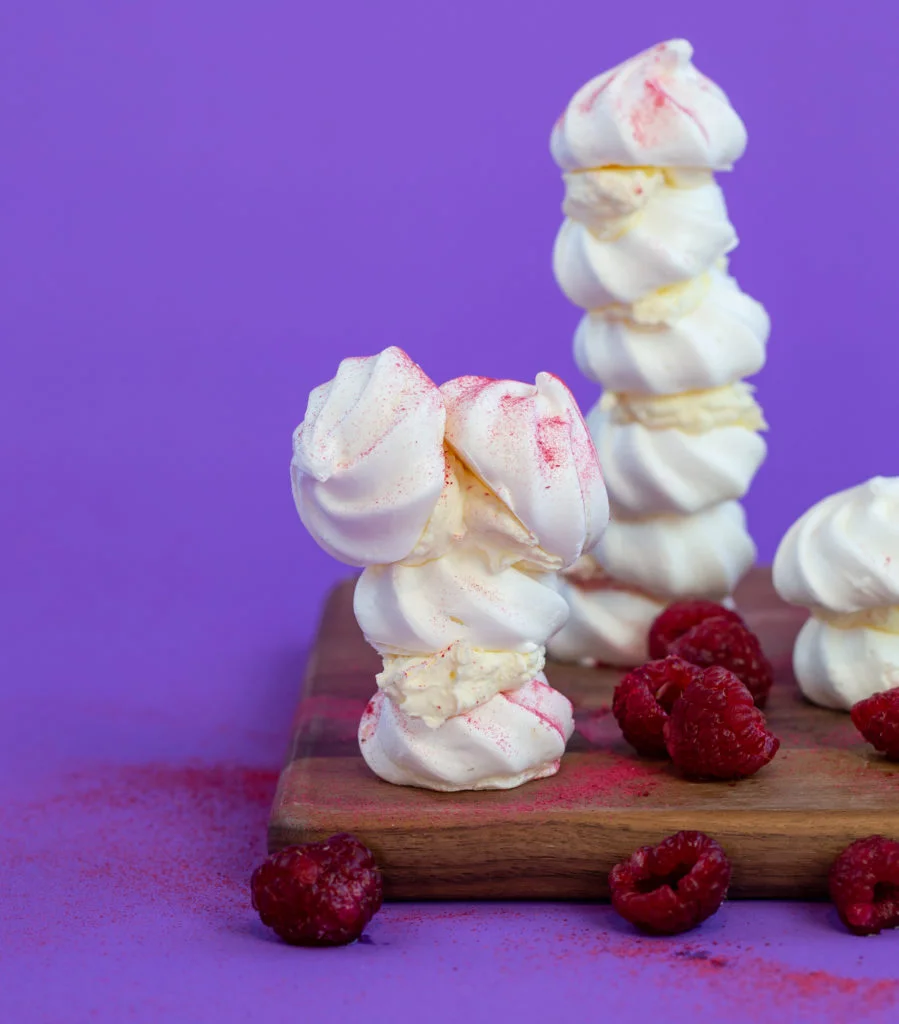
Meringue: A Sweet Science Experiment
Meringue-making is one of those kitchen experiments that marries culinary art with fundamental science. Using just a few simple ingredients, you can create airy confections that not only look appealing but also demonstrate crucial principles of chemistry and physics. At its core, this process exemplifies how egg whites transform when whipped into a foam, showcasing both your culinary skills and the fascinating science at play.
Why Only Egg Whites?
When making meringue, only egg whites are used for a reason: egg yolks contain fat. You might wonder why this is significant. Simply put, the fat in egg yolks interferes with the very protein structures that we want to stabilize in the meringue. This interference prevents the egg whites from achieving their full volume and lightness, which are essential characteristics of successful meringue.
The Science of Meringue
The properties of egg whites are striking. They comprise about 90% water and roughly 10% protein. When these proteins are whipped, they undergo a fascinating transformation. As you whisk, the proteins, which are long chains of amino acids, start to interact with the air being incorporated. Some amino acids repel water while others attract it. This dual behavior is what leads to the formation of a stable foam where air gets trapped, allowing the mixture to expand.
Adding sugar into the mix is a key step. Sugar plays a role in stabilizing the foam, facilitating the formation of those delicate yet supportive structures that make meringues so enjoyable. This addition extends the meringue's structural integrity, making it possible for bakers to create wonderful designs, such as meringue towers that can stand impressively tall. The process effectively turns a simple mixture into an airy wonder that showcases the interaction between ingredients—science in action.
Meringue Ingredients
Gathering the right ingredients is the first step toward creating perfect meringue. You'll need:
- 4 egg whites
- 200g caster sugar
- A non-plastic bowl (plastic might retain oils that hinder peaks)
- An electric whisk
- A spoon
- Parchment paper
It’s worth noting that the choice of bowl matters. Many people underestimate how even the slightest traces of fat—often stuck in plastic bowls—can derail your efforts, preventing that sought-after stiff peak from forming. This is one of those details that can make or break your meringue, so opt for glass or metal if you can.
Instructions for Perfect Meringue
- Preheat the oven to 110 degrees Celsius (gas mark 1).
- Line two baking sheets with parchment paper.
- Begin whisking the egg whites slowly, gradually increasing speed until stiff peaks form.
- Slowly incorporate sugar, a few tablespoons at a time, whisking well after each addition.
- Drop spoonfuls of the mixture onto the parchment, spacing them adequately.
- Bake for about an hour, then allow cooling.
Every step in this process interacts with the others. Whisking too fast too soon can lead to a less stable foam, while adding sugar slowly ensures it's dissolved and incorporated properly. The precision in each of these measures can determine how your meringue turns out—will it be fluffy, or will it fall flat? That said, even minor adjustments can yield delightful surprises.
Creating Meringue Towers
After you've nailed down your basic meringue, try your hand at constructing towers. It’s not just about aesthetics; this activity lends itself to experimenting with stability. Examine how the height and shape of each structure impacts its ability to stand tall. What’s the tallest tower you can build? You might find that using whipped cream and strawberries not only adds flair but also enhances stability. (And this is the part most people overlook.)
By engaging in this creative exercise, you'll merge culinary skills with scientific inquiry. You're not just learning to bake; you're discovering how various factors like weight distribution affect structural integrity. This hands-on experimentation is invaluable, especially if you're keen on cooking or even pursuing a career in the culinary arts.
Explore More Science Projects
If you're eager to expand your kitchen science repertoire, look into other exciting experiments. For instance, try your hand at candy science for a sweet twist, or create your own slushy drinks to explore different freezing points and textures.
You can also uncover what triggers the Maillard Reaction and its role in cooking. The culinary world has more to teach us than just how to satisfy our taste buds; it also harbors important scientific principles. What this means for you, whether you're a budding chef or just looking to impress friends at your next gathering, is that every dish can become a scientific inquiry.
The post Why don’t you use egg yolk in meringue? appeared first on Science Experiments for Kids.
Discussion
Sign in to join the discussion.